Food Truck Business Plan: Free Template, Menu Ideas and Startup Costs
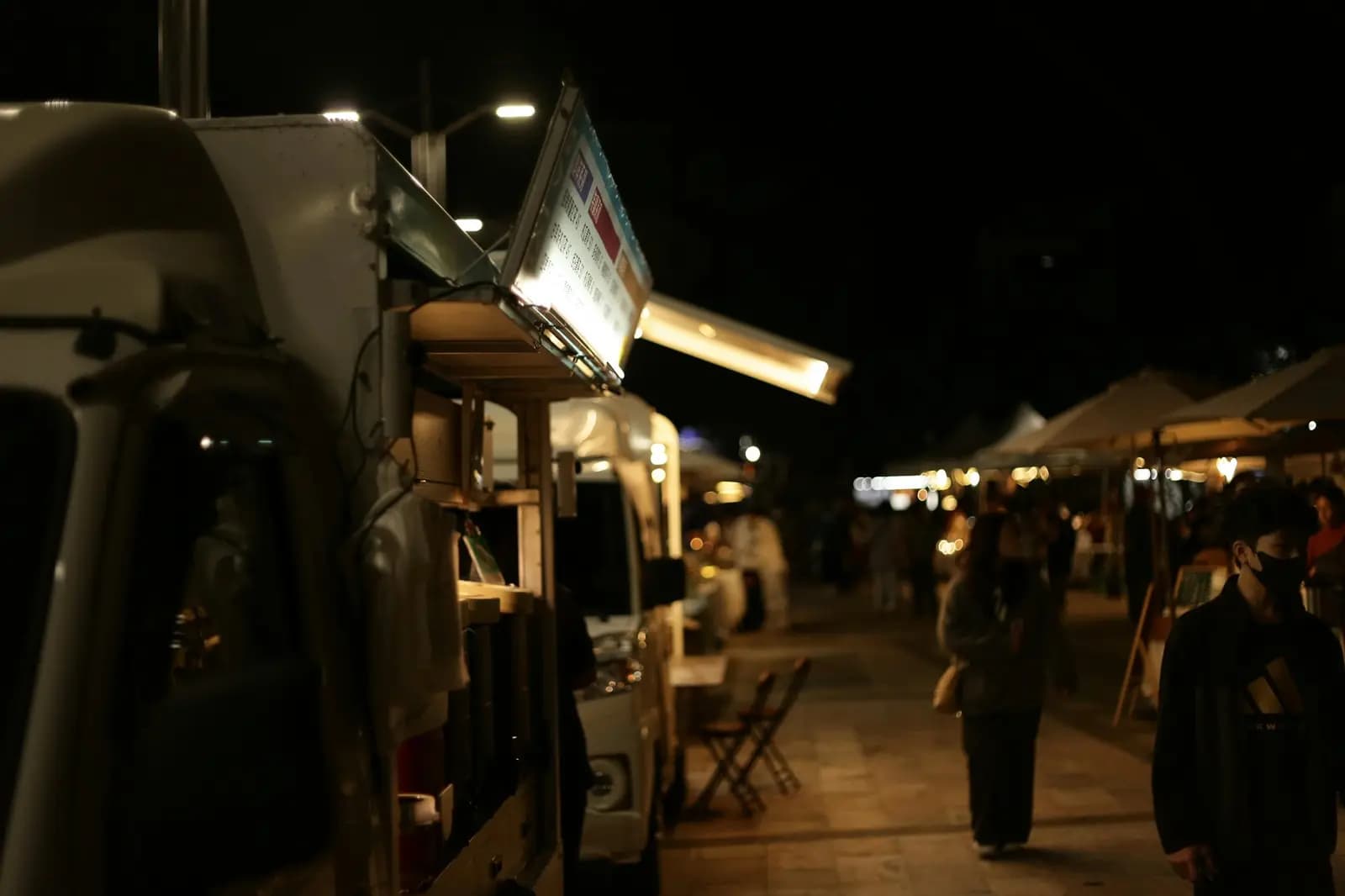
A food truck business plan is a short document that covers your concept, menu, market, operations, startup costs, and financial forecast. This guide gives you a section-by-section template you can fill in, a startup cost table with sourced ranges, a permits checklist, break-even math, and a food truck menu strategy. Costs and rules vary by city, so use the numbers as planning ranges and confirm them locally.
Key Takeaways
- Use the SBA's section order for your plan: executive summary, company description, market analysis, organization, products, marketing, funding request, and financials.
- Startup budgets in published guides range widely. Homebase lists $50,000 to $250,000+, and UpMenu says to expect at least $100,000.
- Permit rules are local. Check your city, county, and state before you buy a truck.
- A short menu cuts ticket time, waste, and costing work. Many operators recommend 5 to 8 items.
- A QR menu on the service window lets you change prices and mark sold-out items without reprinting.
Table of Contents
- 1. Choose your concept and food truck idea
- 2. Fill in the food truck business plan template
- 3. Estimate startup costs
- 4. Run the break-even math
- 5. Work through the permits checklist
- 6. Build a food truck menu that moves fast
- 7. Set up your menu board and QR menu
- 8. Pick a food truck name
- 9. Follow a launch timeline
Many "free templates" for this topic are the same generic outline repeated. This page is different on purpose. It gives you the prompts to answer, real arithmetic, and sources for the startup cost table. Copy the template into a document and complete it.
1. Choose Your Concept and Food Truck Idea
Your concept decides your equipment, permits, menu, and price point. Pick it before you write anything else. A good concept passes three tests:
- It can be cooked in a small space. Most trucks have a small kitchen. Dishes that need three fryers and an oven fight the layout.
- It can be served in about two minutes. Lines decide your sales. Slow items cap revenue.
- It has a clear hook. Guests should describe it in one sentence: "the birria tacos truck."
Food truck ideas that fit these tests
| Concept | Why it works on a truck | Watch out for |
|---|---|---|
| Tacos or birria | Few components, fast assembly, easy to batch | Crowded in many markets, so you need a distinct angle |
| Smash burgers | One flat-top, familiar to everyone | Beef price swings hit margin |
| Loaded fries or rice bowls | One base, many toppings, cheap to vary | Portion control matters |
| Wood-fired or oven pizza | Strong visual, high margin per pie | Oven weight and fire rules vary by city |
| Coffee, crepes, and desserts | Low food cost, short ticket time | Weather and season change demand |
| Regional specialty (dumplings, kebabs, arepas) | Hard for neighbors to copy | Guests may need an explanation, so describe each dish |
| Vegan or allergen-friendly | Underserved at many events | Cross-contact control and clear labels |
Test the idea before you commit. Cook it for 30 people at a pop-up or market. Ask what they would pay. Write down what sold out first.
2. Fill In the Food Truck Business Plan Template
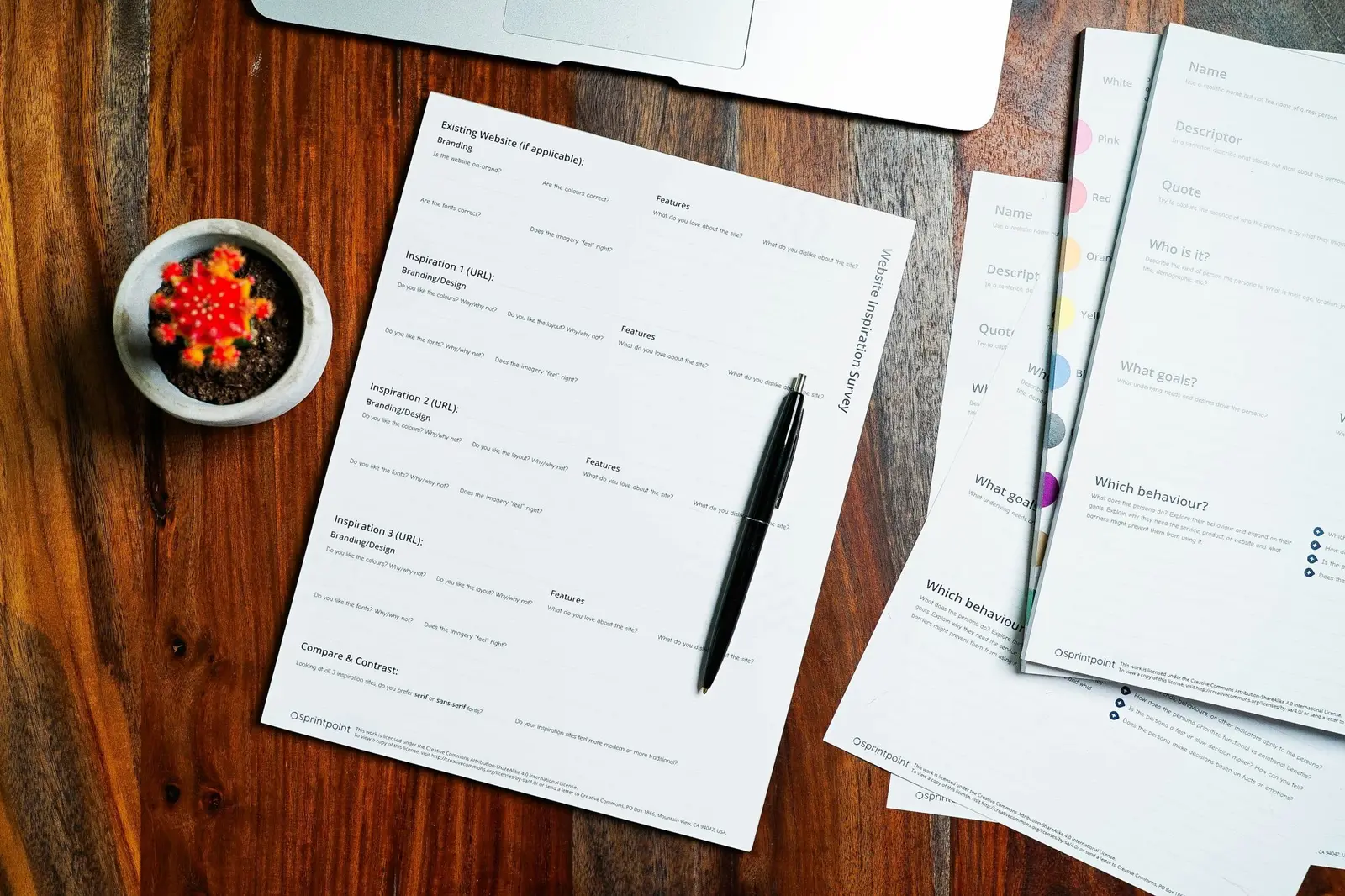
The U.S. Small Business Administration describes traditional business plan sections that lenders recognize. The template below follows that order and adds food truck prompts. Replace each blank with your answer. Keep it short: one page of notes per section is enough to start.
2.1 Executive summary
Write this last. It is a half-page overview.
- Business name: ________ (legal structure: ________)
- Concept in one sentence: "We sell ________ to ________ at ________."
- Where we operate: ________ (event sites, office parks, breweries, markets)
- Startup budget: $________. Funding needed: $________.
- Target first-year sales: $________. Target break-even month: ________.
2.2 Company description
- The problem we solve: ________ (for example, "lunch near the industrial park is slow and limited")
- What makes us different: ________
- Mission in one line: ________
- Vehicle: truck / trailer / cart. New or used: ________
2.3 Market analysis
- Target customers: ________ (office workers, students, festival crowds, late-night)
- Locations and events we will serve: ________ (list at least five specific places)
- Competitors within 3 miles: ________. Their price range: $____ to $____.
- What they do well: ________. What they do poorly: ________.
- Busiest days and hours we expect: ________
Do real field research. Visit each location at the same hour you plan to sell. Count the people who walk past in 15 minutes.
2.4 Organization and management
- Owner(s) and roles: ________
- Relevant experience (kitchen, management, events): ________
- Staff plan: ____ cooks, ____ window staff per shift. Pay: $____/hour.
- Commissary or base kitchen: ________ (address, monthly cost)
- Advisors (accountant, insurance agent, mentor): ________
2.5 Menu and products
- Core menu (5 to 8 items): ________
- Price for each item: ________. Plate cost for each: ________.
- Target food cost %: ____ (see how to calculate food cost and price every menu item).
- Specials and seasonal items: ________
- Allergens and diets we cover: ________
2.6 Marketing and sales
- Brand (name, colors, wrap): ________
- Social accounts and posting plan: ________ (where the truck is today, tomorrow)
- Catering and private events: ________ (minimum order, deposit, price per head)
- Repeat-customer plan: ________ (loyalty stamps, email or text list)
- Menu access: QR code on the window, link in your bio, and a printed board.
2.7 Funding request
- Total needed: $________
- Uses: truck $____, equipment $____, permits $____, insurance $____, first inventory $____, working capital $____.
- Sources: savings $____, loan $____, partner $____.
- Repayment plan: ________
2.8 Financial projections
- Average ticket: $____. Tickets per service day: ____. Service days per month: ____.
- Monthly sales: $________ (average ticket × tickets × days)
- Food cost %: ____. Labor cost %: ____. Other variable costs %: ____.
- Monthly fixed costs: $________ (see the break-even section)
- Month-by-month profit and loss for 12 months. Add a worst case where sales are 30% lower.
3. Estimate Startup Costs
Published food truck cost guides disagree, because the truck itself drives the total. The table below shows two independent vendor guides side by side, as of October 2026. These are estimates from the guides' own pages, not surveys. Costs vary by city, state, and whether you buy new or used.
| Cost item | Homebase | UpMenu |
|---|---|---|
| Truck purchase | Used $30,000-$100,000. New $75,000-$200,000. Trailer $15,000-$50,000 | $50,000-$100,000 |
| Build-out or renovation | Trailer build-out (no truck figure given): $20,000-$40,000 | $10,000-$50,000 or more |
| Kitchen equipment | $15,000-$45,000 | $14,000-$51,000 |
| POS and tech | $1,000-$3,000 | $1,000-$3,000 hardware, plus monthly software |
| Permits and licenses | $1,000-$30,000+ in the first year | Itemized, for example food service license $100-$1,000 and health permit $100-$500 |
| Insurance (per year) | $2,000-$6,000 | $2,500-$5,500 |
| Branding and truck wrap | $2,000-$8,000 | Wrap $2,000-$5,000 or more |
| Opening inventory | $1,500-$4,000 | Listed monthly, not as a one-time cost |
| Total startup | $50,000-$250,000+ | "At least $100,000" |
Sources: Homebase and UpMenu. Homebase's own summary and FAQ differ slightly on equipment and permit totals, so treat every line as a range to verify.
Costs people forget
- Commissary or base kitchen fees. UpMenu lists $200-$500 per month. Many cities require one.
- Parking and vending fees. UpMenu lists $50-$500 per month for parking. Homebase lists parking and vending permits at $500-$10,000+ per year.
- Generator fuel and propane. These run every service day.
- Working capital. As a rule of thumb, plan for 3 to 6 months of fixed costs. Early weeks are slow while you build a following.
- Repairs. Vehicles and generators break. Keep a repair reserve.
4. Run the Break-Even Math
Break-even tells you how many guests you need each month. Here is an example. All numbers are illustrative; replace them with yours.
| Monthly fixed cost | Amount |
|---|---|
| Commissary | $400 |
| Insurance (monthly share) | $400 |
| Loan payment | $1,200 |
| POS and software | $100 |
| Parking, permits (monthly share) | $350 |
| Base labor | $4,500 |
| Total fixed | $6,950 |
- Average ticket: $12.00
- Food cost at 32%: $3.84 per ticket
- Packaging and card fees: $0.90 per ticket
- Variable cost per ticket: $4.74
- Contribution per ticket: $12.00 - $4.74 = $7.26
- Break-even tickets: $6,950 ÷ $7.26 = 958 tickets per month
- On 20 service days: 958 ÷ 20 = about 48 tickets per service day
Now test it. If your window can serve one ticket every two minutes, a three-hour lunch peak allows about 90 tickets. That is a check on whether your plan is possible, not a promise of sales. If the math needs 150 tickets a day, the plan is too thin. Raise the average ticket, cut fixed cost, or add service days.
5. Work Through the Permits Checklist
Rules differ by city, county, and state. The SBA says your business location determines the taxes, zoning laws, and regulations that apply, and that zoning is typically controlled at the local level. Call your local health department before you spend money on a truck. The list below is a generic starting point, not legal advice.
- [ ] Business structure registered (sole proprietor, LLC, or other)
- [ ] Employer Identification Number (EIN), if you hire staff or form a corporation or partnership
- [ ] Local business license
- [ ] Sales tax or seller's permit, where your state requires one
- [ ] Mobile food vendor permit or health department permit for the truck
- [ ] Plan review or inspection of the truck layout and equipment
- [ ] Fire safety inspection (propane, fryers, hood systems)
- [ ] Food manager or food handler certification for you and staff, if required
- [ ] Commissary agreement or approved base kitchen, if required
- [ ] Vehicle registration, commercial plates, and driver's license class if needed
- [ ] Commercial auto and general liability insurance (and workers' compensation if you have employees)
- [ ] Parking, zoning, and street vending rules for each location
- [ ] Event vendor applications and fees for festivals and markets
Ask these questions on the call: Which permits are required? What does the inspection check? Are there zones where trucks cannot park? How long does approval take? How often do I renew?
6. Build a Food Truck Menu That Moves Fast
A truck is not a small restaurant. Space, speed, and one cook station shape the food truck menu. These are common operator guidelines:
- Keep it short. Many operators recommend 5 to 8 items. Fewer items mean less prep, less waste, and faster ordering. Guests decide quicker when choices are few.
- Share ingredients. Build many dishes from a few components. One braised meat can fill a taco, a bowl, and a fry topper.
- Cook to a two-minute window. Prep and batch in the commissary. Finish and plate on the truck.
- Hold quality. Choose items that hold well for 10 minutes without going soggy.
- Add one special. A rotating special tests ideas at low risk and gives regulars a reason to return.
- Price for packaging. Include cups, trays, napkins, and utensils in plate cost.
Food truck menu ideas by format
| Format | Sample 6-item menu |
|---|---|
| Taco truck | Carnitas taco, chicken tinga taco, mushroom taco, quesadilla, chips and salsa, horchata |
| Burger truck | Single smash, double smash, crispy chicken sandwich, veggie burger, fries, shake |
| Bowl truck | Chicken bowl, beef bowl, tofu bowl, side salad, spring rolls, iced tea |
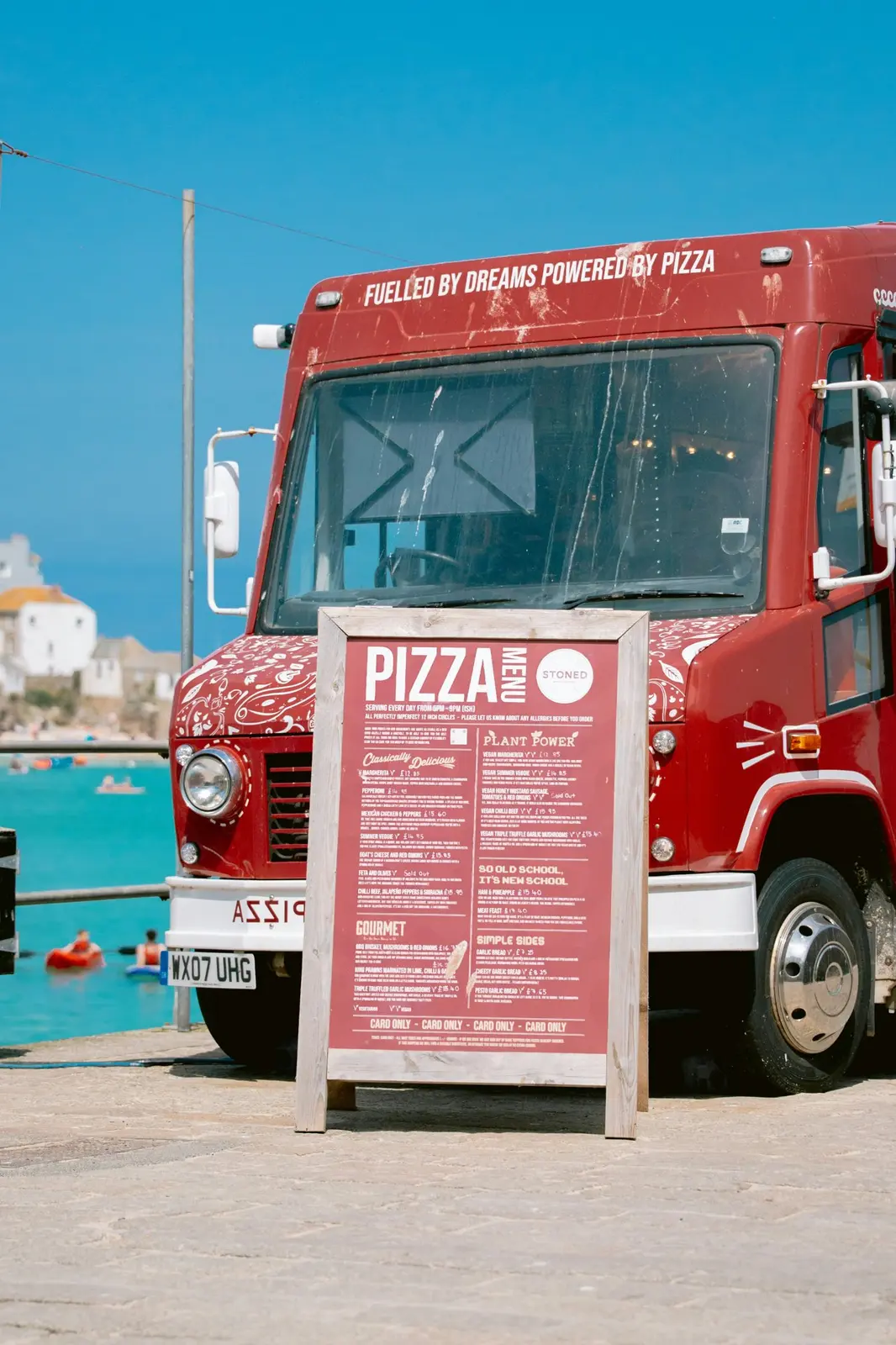
| Pizza truck | Margherita, pepperoni, white pie, seasonal pie, garlic knots, soda |
| Brunch and coffee | Breakfast sandwich, breakfast burrito, avocado toast, pastry, drip coffee, latte |
These are starting ideas. Replace them with dishes you can cook well, make quickly, and cost accurately. For pricing, use the plate cost method in our guide to the food cost formula.
Price quick check
Example: a loaded fries dish costs $2.70 to make. At a 30% target, price = $2.70 ÷ 0.30 = $9.00. If nearby trucks sell similar items at $11 or more, test $10. Each $1 of price on a dish that sells 40 times a week adds $40 a week.
7. Set Up Your Menu Board and QR Menu
Guests at a truck read the menu while standing in line, often outdoors and in a hurry. The food truck menu board has one job: let them choose before they reach the window.
Menu board rules
- Use large, high-contrast text. As a rule of thumb, it should be readable from 10 feet away.
- Put best sellers and high-margin items at the top and in the center.
- Show prices as plain numbers. Skip dollar signs and long dotted lines.
- Use a weatherproof board. Plan for glare and wind.
- Keep a small "sold out" slider or sticker for items that run out.
Add a QR menu on the service window
A printed board cannot change mid-service. A QR menu can. Put a QR code on the window, on a sign at the back of the line, and in your social bio. A guest scans, reads, and orders at the window.
- Change prices and items instantly. Mark an item sold out in seconds. No reprint.
- Show photos. Photos help guests choose unfamiliar dishes.
- Tag allergens (on Pro). The business enters the allergen data and stays responsible for its accuracy; guests can filter by allergen.
- Translate (on Pro). AI translation helps at festivals with mixed audiences.
QR Menu Generator supports food trucks. See the QR menu for food trucks page for details. The free plan covers 1 restaurant, 10 categories, and 30 products, which fits a short truck menu. Allergen tags, the allergen filter, and AI translation are on Pro. Read the QR menu setup guide and the tips on placing QR codes for placement ideas. Keep a printed board too, because some guests will not scan.
8. Pick a Food Truck Name
Food truck names work best when they are short, easy to say, and tied to the food. Use this checklist:
- Say it out loud. If people must ask you to repeat it, change it.
- Name the food or the feeling. "Smash Shack" tells guests what to expect. A vague name does not.
- Check availability. Search your state's business name records, social handles, and a matching domain.
- Check trademarks. Search the USPTO database for conflicts. Ask a lawyer if the name matters to you long term.
- Test it on the wrap. The name must be readable from across a parking lot.
| Style | Example patterns (made-up) |
|---|---|
| Food + place | Harbor Street Tacos |
| Pun | The Rolling Scone |
| Owner or family | Marta's Dumpling Wagon |
| Action | Fire and Fold |
| Short and bold | Smoke Lane |
These examples are patterns only. Check that any name you like is free before you print it on a truck.
9. Follow a Launch Timeline
Here is how to start a food truck in order. Timelines vary by city, and permit approval is often the slowest step.
- Weeks 1 to 4: Test the concept at pop-ups. Draft the business plan. Call the health department.
- Weeks 4 to 8: Secure funding. Form the business. Get an EIN and open a business bank account.
- Weeks 8 to 16: Buy or lease the vehicle. Plan the layout with your inspector's rules in mind. Order equipment.
- Weeks 12 to 20: Apply for permits. Book a commissary. Buy insurance.
- Weeks 16 to 22: Cost every dish. Finalize the menu and QR menu. Order the wrap and menu board.
- Weeks 20 to 24: Run a soft opening for friends and family. Time every ticket. Fix the slow steps.
- Opening week: Post your location daily. Track sales by item. Review the numbers each week.
Put your truck menu online in minutes. Build a QR menu for your window, edit prices and sold-out items any time, and print the code for your wrap. Start free or see the demo. Paid plans are on the pricing page.
Bottom line: pick a concept that fits a small kitchen, plan with real numbers, confirm local rules before you buy, and keep the menu short. Treat every cost range in this guide as a starting point and verify it for your city.
Frequently Asked Questions
- What should a food truck business plan include?
- Use the SBA's order: executive summary, company description, market analysis, organization and management, products or menu, marketing and sales, funding request, and financial projections. Add food truck specifics: locations, commissary, permits, and a menu with plate costs.
- How much does it cost to start a food truck?
- Published guides vary. Homebase lists $50,000 to $250,000+. UpMenu says to expect at least $100,000. The truck, build-out, and equipment are the largest items. Costs depend on your city, permits, and whether the truck is new or used.
- What permits do I need for a food truck?
- It depends on your location. Common items are a business license, a mobile food vendor or health permit, a fire inspection, insurance, and vending or parking approvals. The SBA notes that your location determines the taxes, zoning laws, and regulations that apply. Check with local authorities.
- How many items should a food truck menu have?
- Many operators recommend 5 to 8 items. A short menu speeds service, cuts waste, and keeps the kitchen simple. Add one rotating special to test new ideas.
- Do I need a QR menu if I have a menu board?
- You do not need one, but it helps. A board is fixed. A QR menu changes prices, photos, and sold-out items without reprinting. Keep both: some guests prefer the board.
- Is a food truck profitable?
- It can be, but it depends on your costs, location, and sales volume. Run the break-even math with your own numbers. If your plan needs more tickets than your window can serve, change the plan before you buy.
About the author
Evrenus Fırat Polat
Restaurant technology expert and founder of QR Menu Generator. Passionate about helping restaurant owners harness digital tools to grow their business.