QR Code for Menu: Complete 2026 Setup Guide for Restaurants
Setting up a QR code for menu: complete 2026 setup guide has become essential for modern restaurants across the European Union. Digital menus accessed via QR codes now serve over 78% of dining establishments, providing contactless ordering, real-time updates, and multilingual support that traditional printed menus simply cannot match. Whether you operate a bustling café in Paris or a traditional trattoria in Rome, implementing a QR code for menu system ensures compliance with EU food information regulations while enhancing customer experience and operational efficiency.
This comprehensive guide walks you through every step of creating, deploying, and optimizing your restaurant's QR code menu system in 2026. You'll discover how to choose the right platform, design an engaging digital menu, ensure regulatory compliance, and leverage analytics to boost revenue. By the end, you'll have actionable strategies to transform your dining experience and stay competitive in today's digital hospitality landscape.
Understanding QR Code for Menu: Complete 2026 Setup Guide Fundamentals
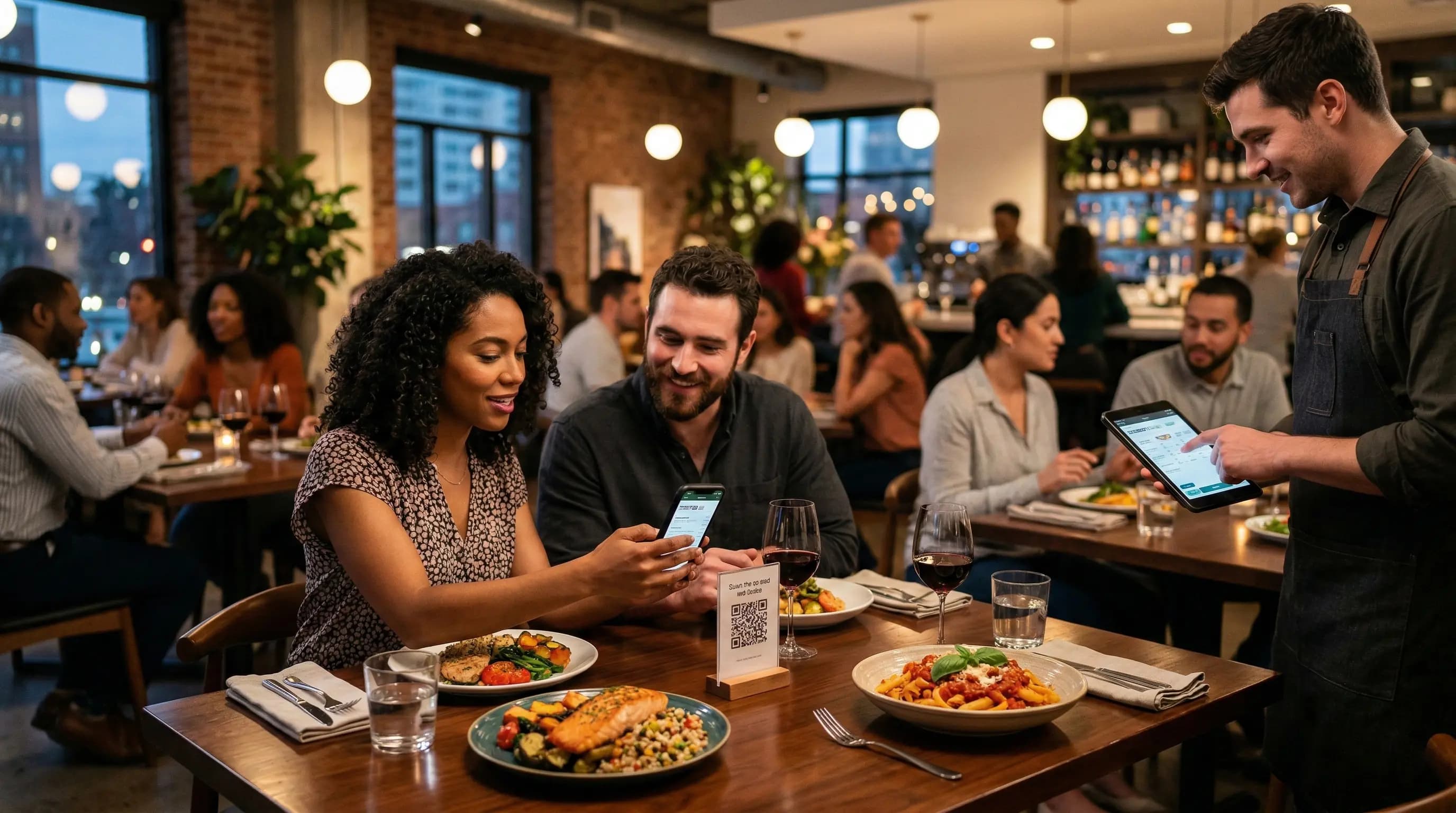
QR code menus have evolved from a pandemic necessity to a permanent fixture in the restaurant industry. These digital menus allow diners to scan a simple code with their smartphone camera, instantly accessing your complete menu without downloading apps or touching shared surfaces. The technology has matured significantly, now offering features like real-time inventory updates, allergen filtering, and integrated ordering systems.
The primary advantage lies in flexibility. When you use a traditional printed menu, updating prices or adding seasonal dishes requires reprinting costs and waste. A QR code for menu: complete 2026 setup guide implementation lets you modify offerings instantly, whether removing an out-of-stock item at 7 PM on a Saturday or launching a special promotion for Sunday brunch. This agility translates directly to reduced costs and improved customer satisfaction.
Market data from European Commission food safety guidelines indicates that digital menus also support better compliance with allergen disclosure requirements under EU Regulation 1169/2011. Restaurants can provide detailed ingredient lists, preparation methods, and allergen warnings that would overwhelm a printed menu but work perfectly in an expandable digital format.
Understanding the technical foundation of your QR code for menu system ensures long-term success. The QR code itself is merely a gateway—a scannable link that directs customers to your hosted digital menu. Quality platforms ensure this menu loads quickly, displays beautifully on all devices, and updates instantly when you make changes. This foundation supports every advanced feature you'll add later, making your complete 2026 setup guide implementation seamless and professional.
Choosing the Right QR Menu Platform
Selecting the optimal platform determines your long-term success with digital menus. Not all QR menu generators offer the same capabilities, and many lock you into expensive monthly subscriptions. When evaluating options for your QR code for menu: complete 2026 setup guide, prioritize these critical features:
- Unlimited updates: Your menu should change as often as needed without additional costs
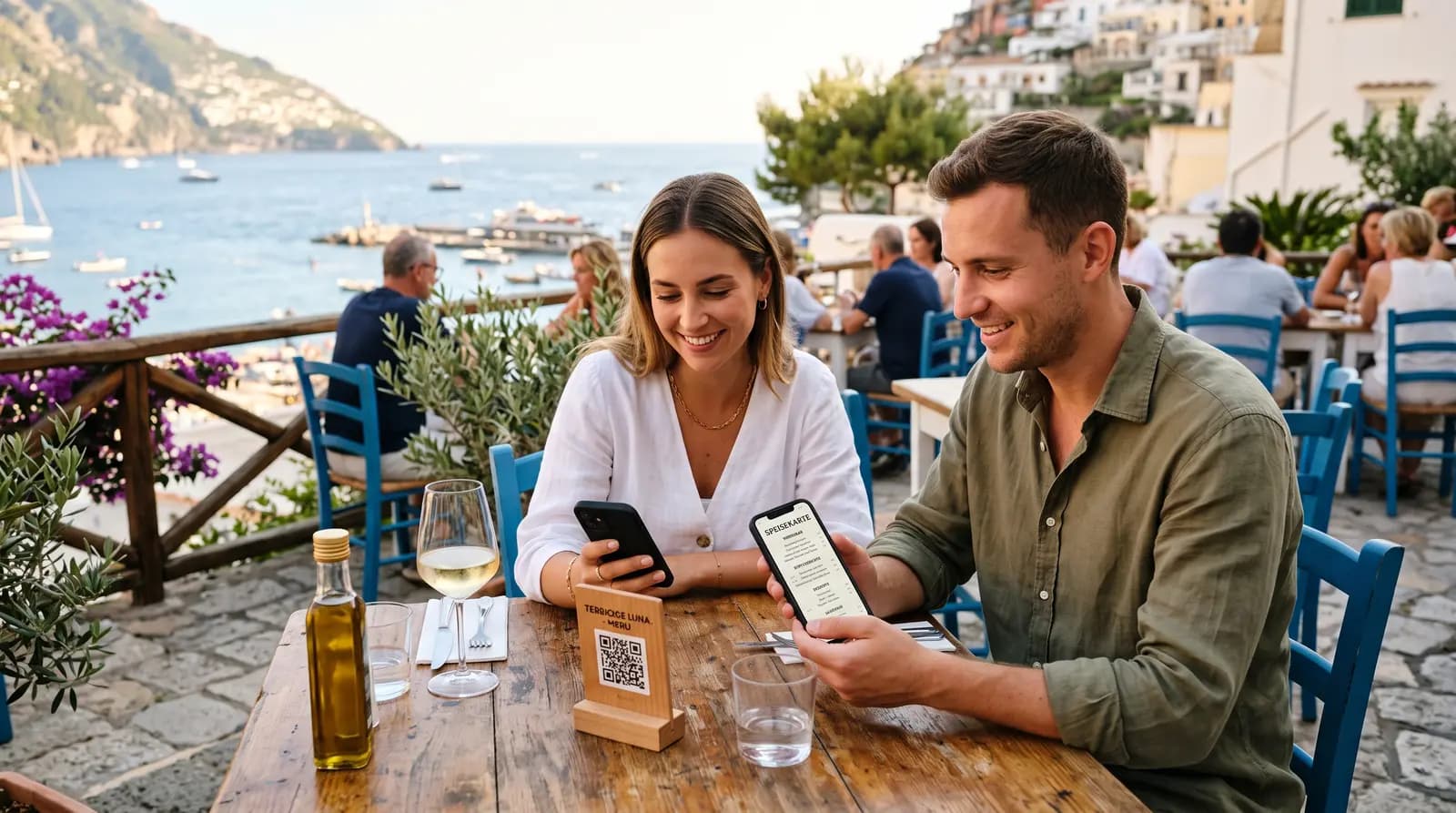
- Multilingual support: Essential for tourist areas and diverse neighborhoods
- Mobile optimization: Fast loading on all devices and network conditions
- Analytics dashboard: Track popular items, browsing patterns, and peak viewing times
- Custom branding: Match your restaurant's visual identity completely
- No app requirement: Customers access menus through standard web browsers
QR Menu Generator stands out by offering all these features with zero monthly fees. Unlike subscription-based competitors, you maintain complete control over your menu without recurring charges eating into profit margins. The platform supports 40+ languages, making it ideal for European establishments serving international clientele.
Consider your restaurant's specific needs when following this QR code for menu setup process. A small café might need basic menu display, while a full-service restaurant could benefit from integrated allergen filters and dietary preference tags. Test platforms with your actual menu content before committing, ensuring the interface works smoothly for your staff and customers alike. The right platform saves thousands annually while delivering superior functionality that matches your complete 2026 setup guide expectations.
Step-by-Step QR Code for Menu: Complete 2026 Setup Guide Process
Creating your digital menu involves five straightforward phases. This QR code for menu: complete 2026 setup guide process typically takes 2-4 hours for a standard restaurant menu:
Phase 1: Content Preparation
Gather all menu items with accurate descriptions, prices, and images. Document allergens, dietary attributes (vegetarian, vegan, gluten-free), and preparation notes. Collect high-quality photos of signature dishes, as visual appeal increases ordering rates by 23% according to hospitality research. Organize content into logical categories: appetizers, mains, desserts, beverages. This preparation phase is critical for any successful QR code for menu implementation.
Phase 2: Platform Setup and Design
Create your account on your chosen platform. Upload your restaurant logo, select brand colors, and choose typography that reflects your establishment's character. Configure language options based on your customer demographics. A bistro in Brussels might offer French, Dutch, and English, while a tapas bar in Barcelona would prioritize Spanish, Catalan, and English.
Input menu items systematically, including all prepared details. Tag allergens according to EU requirements (cereals containing gluten, crustaceans, eggs, fish, peanuts, soybeans, milk, nuts, celery, mustard, sesame, sulfites, lupin, mollusks). Add dietary filters to help customers quickly find suitable options. This systematic approach ensures your QR code for menu: complete 2026 setup guide delivers professional results that impress diners and streamline operations.
Phase 3: QR Code Generation and Customization
Generate your unique QR code through the platform. Most services offer customization options like embedded logos, color schemes, and frame styles. Ensure adequate contrast for reliable scanning under various lighting conditions. Download codes in multiple formats: high-resolution PNG for printing, vector SVG for signage, and digital formats for screen display. This phase of your QR code for menu setup determines how easily customers can access your digital offerings.
Phase 4: Testing and Quality Assurance
Test your QR code with multiple smartphone models and operating systems. Verify that links load quickly, images display correctly, and all prices match your POS system. Check every allergen tag and dietary filter. Have staff members review the menu for accuracy, completeness, and ease of navigation. Test under restaurant lighting conditions, including dimmer evening ambiance. Thorough testing ensures your complete 2026 setup guide implementation performs flawlessly from day one.
Phase 5: Printing and Placement
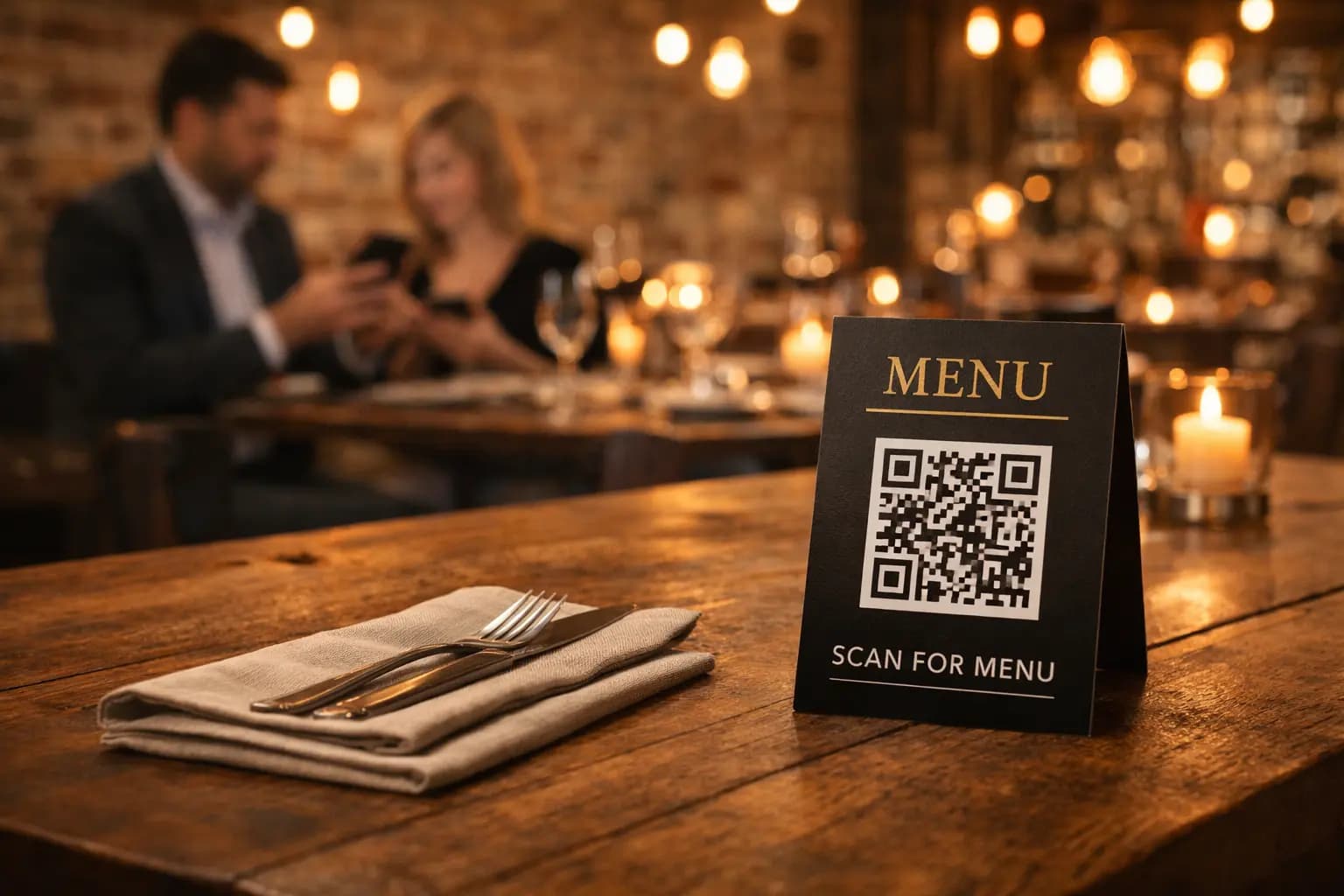
Print QR codes on durable, water-resistant materials. Place them strategically at table settings, entrance stands, and outdoor seating areas. Include brief instructions for first-time users: "Scan with camera app to view menu." Consider creating visually appealing table tents that incorporate your branding alongside the QR code. Proper placement ensures maximum adoption of your new QR code for menu: complete 2026 setup guide system and creates an impressive first impression for guests.
Menu Design and User Experience Best Practices
Digital menu design differs fundamentally from printed versions. Screen-based reading requires different considerations for layout, typography, and information hierarchy. Apply these proven techniques from the QR code for menu: complete 2026 setup guide to create menus that customers love:
Visual hierarchy: Use clear headings, consistent spacing, and strategic whitespace. Customers should identify categories instantly without scrolling confusion. Place high-margin items in prominent positions where eyes naturally land first. This hierarchy makes your QR code for menu easier to navigate and increases profitable orders.
Image strategy: Feature photos for premium dishes and house specialties, but avoid overwhelming every item with images. Selective photography draws attention to items you want to promote while maintaining clean, fast-loading pages. Images should showcase your best work and entice customers to order signature dishes.
Description optimization: Write concise, appealing descriptions that highlight unique preparation methods or special ingredients. A description like "slow-roasted lamb shoulder with rosemary jus and seasonal root vegetables" works better than simply "lamb." These details help customers understand what makes your offerings special and justify premium pricing.
Price presentation: Display prices clearly without psychological tactics that frustrate customers. Transparent pricing builds trust and speeds ordering decisions. Group items logically by price range when appropriate. Your QR code for menu should make pricing immediately obvious, reducing customer hesitation and server questions.
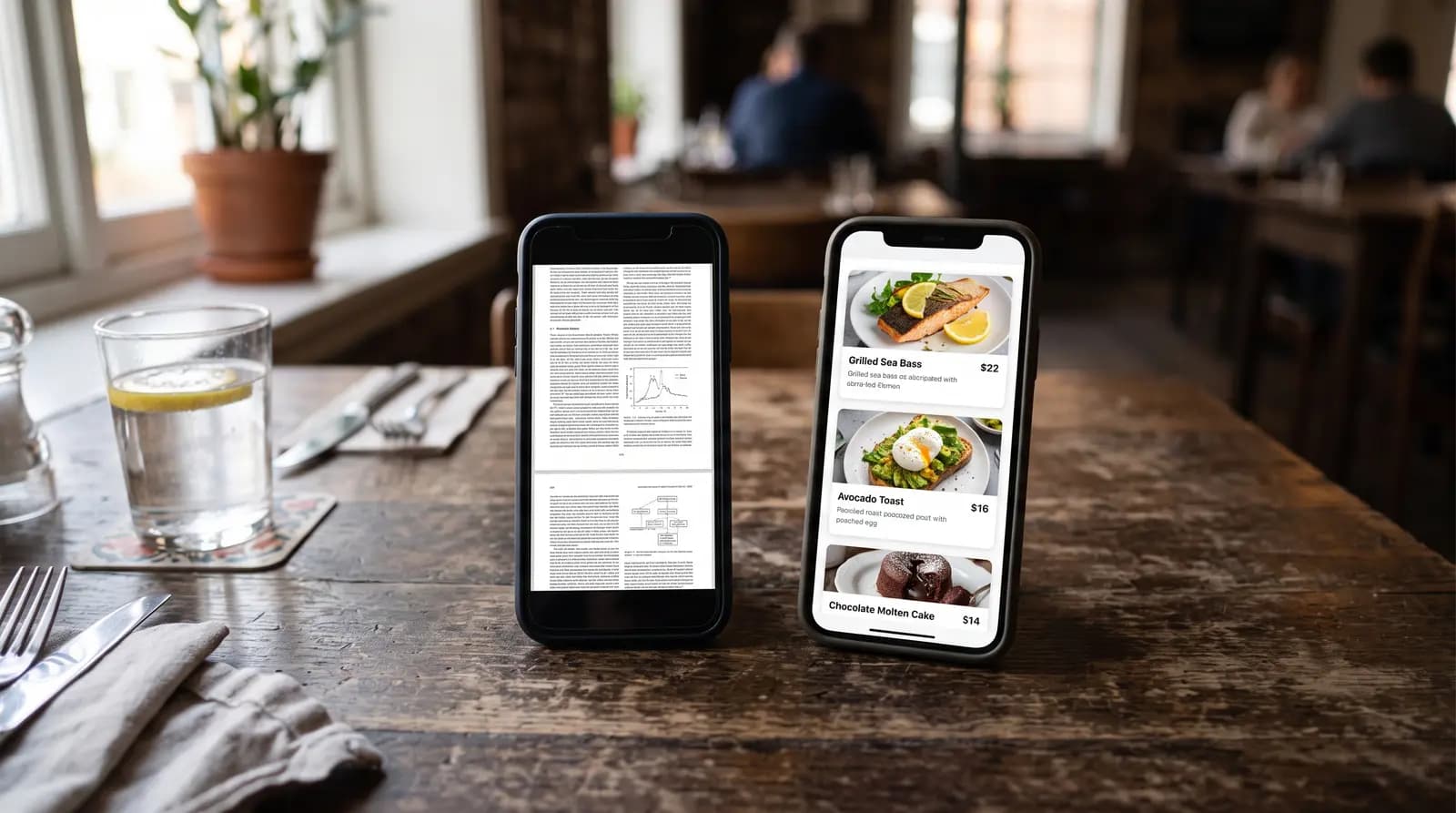
Mobile-first layout: Design for vertical smartphone screens first, then adapt to tablets. Buttons should be large enough for easy tapping, text readable without zooming, and navigation intuitive with thumb-friendly controls. Most customers will view your complete 2026 setup guide menu on smartphones, so optimize for this primary experience.
Accessibility matters significantly. Ensure adequate color contrast for visually impaired users, provide text alternatives for images, and support screen readers. These considerations aren't just ethical—they're legally required under EU accessibility directives and expand your potential customer base. A well-designed QR code for menu: complete 2026 setup guide interface enhances satisfaction and increases order values through thoughtful design choices.
EU Regulatory Compliance for Digital Menus
European Union regulations mandate specific food information disclosures that digital menus must satisfy. EU Regulation 1169/2011 establishes clear requirements for food information provided to consumers, applying equally to digital and printed menus. Understanding these requirements is essential for any QR code for menu implementation.
All 14 major allergens must be clearly indicated for each menu item. Digital menus excel here, allowing customers to filter by allergen exclusions instantly. A diner with celiac disease can toggle gluten-containing items off entirely, viewing only safe options. This capability surpasses printed menus with footnoted allergen codes that require constant cross-referencing, making your QR code for menu: complete 2026 setup guide both compliant and customer-friendly.
Country-of-origin labeling applies to specific products like beef, pork, lamb, poultry, and fish. Your digital menu should disclose these origins clearly, either in item descriptions or through expandable information buttons. For example, "Wild-caught Norwegian salmon" or "Certified Irish beef" satisfies these requirements while adding premium positioning to your offerings.
Nutritional information, while not mandatory for all restaurants, becomes increasingly expected by health-conscious diners. Digital menus accommodate detailed nutritional data without cluttering the primary view. Customers interested in calorie counts, macronutrients, or sodium content can access this information through optional expandable sections in your QR code for menu system.
Price accuracy represents another compliance consideration. The EU Price Indication Directive requires clear, unambiguous pricing. Your digital menu must display final prices including all applicable taxes and service charges. Update prices immediately when changes occur—no grace periods exist for outdated information. Your QR code for menu: complete 2026 setup guide implementation must meet all these regulatory standards to operate legally across the EU while building customer trust through transparency.
Deployment and Customer Adoption Strategies
Successfully launching your QR code for menu requires more than technical setup. Customer adoption depends on clear communication, staff training, and gradual transition strategies. Restaurants that rushed implementation in 2020 faced resistance; those that planned thoughtfully achieved 90%+ adoption rates within weeks using approaches outlined in this complete 2026 setup guide.
Begin with soft launch to your most tech-comfortable customers. Place QR codes alongside traditional menus initially, allowing diners to choose their preferred format. This hybrid approach reduces friction and lets you gather feedback before full deployment. Monitor which customer segments adopt digital menus quickly and which prefer traditional formats, refining your QR code for menu strategy accordingly.
Train service staff thoroughly on the new system. They should confidently explain QR menu benefits, assist customers with scanning difficulties, and handle technical issues smoothly. Staff who understand the system's advantages become enthusiastic ambassadors rather than reluctant participants. Emphasize how digital menus free servers from repetitive menu explanation, letting them focus on personalized service and upselling opportunities that increase tips and satisfaction.
Create simple, visual instructions at tables. A small card showing smartphone positioning over the QR code helps first-time users. Include your WiFi network name and password—reliable internet access ensures smooth menu loading. Consider multilingual instructions in tourist-heavy areas to support international guests accessing your QR code for menu: complete 2026 setup guide system.
Address privacy concerns proactively. Some customers worry about data collection when scanning QR codes. Clearly communicate that menu access requires no personal information, app downloads, or data sharing. This transparency builds trust and increases adoption among privacy-conscious diners who might otherwise resist your digital menu implementation.
Leverage the transition for marketing opportunities. Promote special digital-only discounts or exclusive dishes available only through the QR menu. This incentivizes adoption while collecting data on customer preferences. Track which promotional items drive engagement, refining your offerings based on actual behavior rather than assumptions about what diners want from your QR code for menu experience.
For complete implementation guidance, explore QR Menu Generator pricing options that eliminate ongoing subscription costs while providing unlimited menu updates and multilingual support for your restaurant's digital transformation.
Analytics and Continuous Optimization
Digital menus generate valuable data unavailable with traditional printed versions. Advanced QR menu platforms track customer interactions, revealing patterns that inform menu engineering and operational decisions. Understanding these metrics transforms your QR code for menu: complete 2026 setup guide system from static listing to dynamic revenue optimization tool.
Monitor item view rates to identify customer interest versus actual orders. High view rates with low conversion suggest pricing issues, unclear descriptions, or preparation concerns. Items with low view rates might need better positioning, more appealing photos, or description rewrites. This data guides menu refinement far more effectively than guesswork, making your QR code for menu continuously improve over time.
Track browsing patterns throughout the day and week. Lunch customers might focus on quick options and lighter fare, while dinner browsers spend more time on premium items and wine pairings. Adjust your menu presentation based on these patterns—perhaps featuring lunch specials prominently during midday hours when customers seek efficient service and value-oriented selections.
Analyze language preference data in multilingual menus. Understanding your international customer demographics helps staff anticipate service needs and informs marketing strategies. A restaurant discovering 30% Spanish-language menu views might hire bilingual staff or create Spanish-language social media content to better serve this significant customer segment identified through your QR code for menu analytics.
Session duration reveals menu usability. Excessively long browsing times might indicate navigation confusion or information overload. Very short sessions could mean items are easy to find or that customers give up quickly. Combine this metric with conversion data to distinguish efficient navigation from frustrated abandonment, optimizing your complete 2026 setup guide implementation for maximum effectiveness.
Popular item clustering identifies natural pairing opportunities. When customers frequently view certain appetizers and mains together, create suggested pairings or combination offers. This data-driven approach to menu engineering increases average ticket values while genuinely helping customers discover complementary dishes they'll enjoy, leveraging insights from your QR code for menu: complete 2026 setup guide system.
Seasonal optimization becomes systematic with historical data. Compare performance across quarters, identifying which items peak during specific seasons. This informs inventory planning, staffing decisions, and promotional timing. A dessert that excels in winter but underperforms in summer might rotate off the menu seasonally rather than occupying year-round space. These analytics capabilities make your QR code for menu system a powerful business intelligence tool that continuously improves profitability and customer satisfaction.
Frequently Asked Questions
How much does it cost to implement a QR code menu system?
Implementation costs vary widely depending on your chosen platform and features. Traditional subscription services charge between €15-€50 monthly, totaling €180-€600 annually. QR Menu Generator eliminates these recurring fees entirely, offering unlimited menu updates and features without monthly charges. Your only costs are one-time setup time and QR code printing, typically under €50 for durable table materials. This makes digital menus accessible even for small independent restaurants operating on tight margins while following a complete 2026 setup guide approach.
Do customers need to download an app to access QR code menus?
No application download is required with modern QR code for menu systems. Customers simply open their smartphone camera app, point it at the QR code, and tap the notification that appears to view the menu in their web browser. This seamless process works on both iOS and Android devices manufactured after 2017. The absence of download requirements significantly increases adoption rates, as customers avoid the friction and privacy concerns associated with installing restaurant-specific applications.
How do I ensure my digital menu complies with EU allergen regulations?
EU Regulation 1169/2011 requires clear allergen disclosure for all 14 major allergens. Quality QR code for menu: complete 2026 setup guide platforms include built-in allergen tagging systems that let you mark each menu item with applicable allergens. These tags then display prominently on item descriptions and enable filtering functionality. Customers can exclude specific allergens from their view, seeing only safe options. Maintain accurate allergen information by training kitchen staff to report ingredient changes immediately and updating your digital menu accordingly. Regular audits ensure ongoing compliance.
Can I update my QR code menu in real-time during service?
Yes, real-time updates represent a key advantage of digital menus following this QR code for menu approach. When ingredients run out or equipment failures prevent preparing certain dishes, staff can remove items from the menu instantly using any internet-connected device. Updates appear immediately for all customers scanning the QR code, preventing orders for unavailable items. This capability eliminates awkward conversations where servers must inform customers their chosen dish is unavailable, improving dining experience and operational efficiency. You can also add limited-time specials or adjust prices instantly as needed.
What happens if customers don't have smartphones or prefer printed menus?
Maintaining a small supply of printed menus accommodates customers without smartphones or those preferring traditional formats. While digital adoption exceeds 85% among diners under 60, older customers and those with basic phones may need alternatives. Many restaurants keep 5-10 laminated printed menus available upon request, satisfying all preferences while achieving cost savings from reduced printing. Staff should offer printed menus proactively to customers who appear uncertain about the QR code for menu: complete 2026 setup guide system, ensuring everyone feels welcome and comfortable.
How do QR code menus improve restaurant profitability?
Digital menus enhance profitability through multiple channels. First, they eliminate printing costs for menu updates, seasonal changes, and price adjustments, saving €500-€2000 annually for typical restaurants. Second, strategic item positioning and visual emphasis increase high-margin dish sales by 15-25%. Third, real-time inventory management prevents wasted ingredients by removing sold-out items immediately. Fourth, analytics reveal underperforming menu items draining profitability, enabling data-driven menu optimization. Finally, multilingual support attracts international customers who might otherwise choose competitors with accessible menus. These benefits make the QR code for menu investment worthwhile.
Is WiFi required for customers to access QR code menus?
While not strictly required, reliable WiFi significantly improves customer experience with QR code for menu: complete 2026 setup guide systems. Most smartphones can load digital menus using cellular data, but this consumes customer data allowances and may load slowly in areas with weak signals. Offering free guest WiFi removes these concerns, ensuring fast menu loading and creating goodwill with customers. Display your WiFi network name and password prominently near QR codes. Many restaurants find that free WiFi encourages longer visits and higher spending, making it worthwhile beyond just menu access.
Implementing a QR code for menu: complete 2026 setup guide transforms your restaurant operations, customer experience, and profitability. Digital menus provide flexibility, compliance, and insights impossible with traditional printed versions. Whether you operate a neighborhood café or an upscale dining establishment, the transition to QR code menus positions your business for success in the modern hospitality landscape. This complete guide has walked you through platform selection, setup procedures, design best practices, compliance requirements, deployment strategies, and analytics optimization. Start your digital menu journey today with QR Menu Generator and experience the benefits of contactless, customizable, cost-effective menu management that this QR code for menu approach delivers to forward-thinking restaurants across Europe.
Frequently Asked Questions
- How much does it cost to implement a QR code menu system?
- Implementation costs vary widely depending on your chosen platform and features. Traditional subscription services charge between €15-€50 monthly, totaling €180-€600 annually. QR Menu Generator eliminates these recurring fees entirely, offering unlimited menu updates and features without monthly charges. Your only costs are one-time setup time and QR code printing, typically under €50 for durable table materials.
- Do customers need to download an app to access QR code menus?
- No application download is required with modern QR menu systems. Customers simply open their smartphone camera app, point it at the QR code, and tap the notification that appears to view the menu in their web browser. This seamless process works on both iOS and Android devices manufactured after 2017, making adoption easy and friction-free.
- How do I ensure my digital menu complies with EU allergen regulations?
- EU Regulation 1169/2011 requires clear allergen disclosure for all 14 major allergens. Quality QR menu platforms include built-in allergen tagging systems that let you mark each menu item with applicable allergens. These tags then display prominently on item descriptions and enable filtering functionality so customers can exclude specific allergens from their view. Regular audits ensure ongoing compliance with European food safety standards.
- Can I update my QR code menu in real-time during service?
- Yes, real-time updates represent a key advantage of digital menus. When ingredients run out or equipment failures prevent preparing certain dishes, staff can remove items from the menu instantly using any internet-connected device. Updates appear immediately for all customers scanning the QR code, preventing orders for unavailable items and improving overall dining experience.
- What happens if customers don't have smartphones or prefer printed menus?
- Maintaining a small supply of printed menus accommodates customers without smartphones or those preferring traditional formats. While digital adoption exceeds 85% among diners under 60, older customers and those with basic phones may need alternatives. Many restaurants keep 5-10 laminated printed menus available upon request, satisfying all preferences while achieving significant cost savings.
- How do QR code menus improve restaurant profitability?
- Digital menus enhance profitability through multiple channels including eliminating printing costs (saving €500-€2000 annually), increasing high-margin dish sales by 15-25% through strategic positioning, preventing wasted ingredients via real-time inventory management, enabling data-driven menu optimization, and attracting international customers through multilingual support. The combination of cost reduction and revenue enhancement delivers measurable ROI.
- Is WiFi required for customers to access QR code menus?
- While not strictly required, reliable WiFi significantly improves customer experience with QR code menus. Most smartphones can load digital menus using cellular data, but offering free guest WiFi ensures fast menu loading regardless of signal strength and creates goodwill with customers. Many restaurants find that free WiFi encourages longer visits and higher spending, making it worthwhile beyond just menu access.
About the author
Evrenus Fırat Polat
Restaurant technology expert and founder of QR Menu Generator. Passionate about helping restaurant owners harness digital tools to grow their business.