35 Cafe Menu Ideas: Coffee, Bakery and Brunch Items That Earn Margin
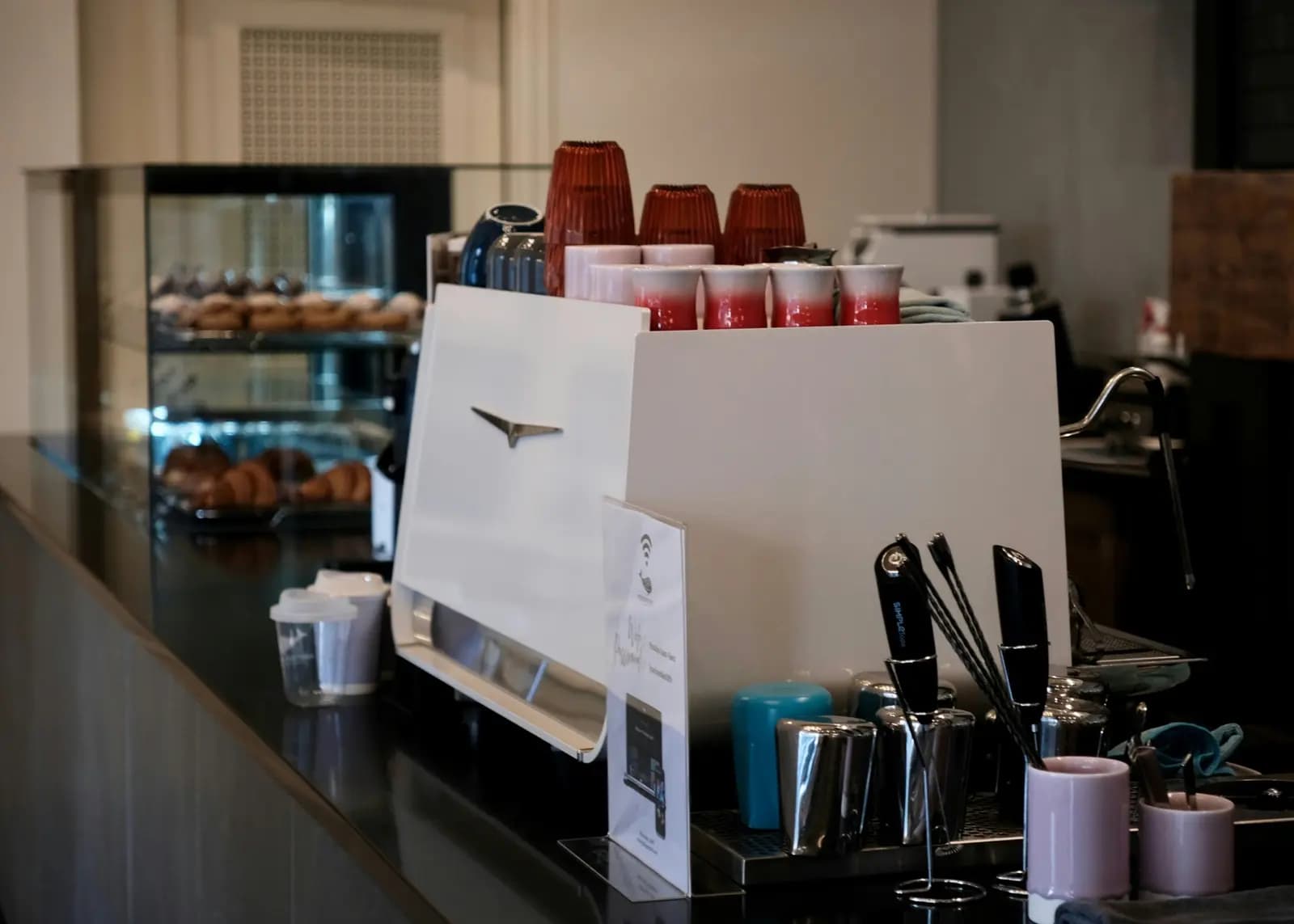
A good cafe menu is short, built around a few strong coffee drinks, and anchored by bakery and brunch items you can make fast and cost accurately. This guide gives 35 cafe menu ideas in six groups: coffee, non-coffee drinks, bakery, brunch, grab-and-go and seasonal. Every food idea notes its main allergens, and dairy and gluten swaps are listed with their labels.
On margin: we only quote numbers we could source, and we say how reliable they are. Check every idea against your own costs before it goes on the menu.
Key Takeaways
- Start small. Ten drinks and ten food items done well beat forty done badly.
- Drinks usually carry more margin than food. One cafe-industry source puts espresso drinks above pastries and sandwiches in its sample figures. Calculate your own.
- Milk alternatives are allergen data. Oat drinks count as a cereal containing gluten in EU law, soy is its own allergen, and almond is a tree nut.
- Brunch sells on plates you can repeat. Choose dishes with shared prep so the kitchen does not need ten separate stations.
- Update the menu as items sell out. A digital menu makes this a quick edit with no reprint.
Table of Contents
- How to check margin before you add an item
- 1. A tight espresso core
- 2. A signature flat white
- 3. Batch brew or filter coffee
- 4. Cold brew and iced coffee
- 5. Affogato
- 6. A rotating single-origin guest coffee
- 7. Decaf and half-caf options
- 8. Matcha latte
- 9. Chai latte
- 10. Hot chocolate
- 11. A short loose-leaf tea list
- 12. A smoothie menu of four
- 13. House lemonade or iced tea
- 14. Butter croissant
- 15. Cinnamon or cardamom bun
- 16. A signature cookie
- 17. Banana bread
- 18. Loaf cake of the week
- 19. Scones with jam and cream
- 20. A gluten-free bake
- 21. Avocado toast
- 22. Eggs on toast
- 23. Breakfast sandwich
- 24. Pancakes or French toast
- 25. Yogurt and granola bowl
- 26. Shakshuka
- 27. A savory brunch plate
- 28. A vegan brunch dish
- 29. Toasted sandwich
- 30. Soup of the day
- 31. Packaged grab-and-go items
- 32. An autumn spice drink
- 33. A summer iced special
- 34. A holiday bake
- 35. A limited-run special
- Laying out the cafe menu
How to Check Margin Before You Add an Item
Gross margin is the part of the price left after the ingredient and packaging cost. The formula is simple:
Gross margin % = (menu price - item cost) / menu price x 100
Example: a drink costs $1.10 to make and sells for $4.50. Margin is (4.50 - 1.10) / 4.50 = 75.6%. Add packaging, such as the cup, lid and sleeve, to the cost.
What do cafe margins look like? Bellwether Coffee publishes sample figures on its coffee shop profit margins page. It lists espresso at 87% gross margin, a latte at 76%, an in-house pastry at 71%, a breakfast sandwich at 57% and a salad or lunch dish at 54%. It states that "espresso drinks are the highest margin category for most cafés." These are one vendor's sample figures and are not labeled as audited industry data. Use them to see the shape of the menu, not as a target.
Square separately says that aiming for an 80% profit margin is common for the coffee shop industry, and adds that the target should depend on your business model and local competitors. It does not say whether that is gross or net margin, so do not copy it blindly.
1. A tight espresso core
Coffee. Offer espresso, americano, cappuccino, flat white and latte. These five cover most orders and use the same machine, grinder and milk.
Add a small "extras" list: extra shot, flavored syrup and milk alternative. Keep the list short so the bar stays fast.
Allergens: milk. Soy, oat or almond drinks add their own allergens (see idea 2).
2. A signature flat white
Coffee. Make one drink your own. A flat white with a house spice, a honey flat white or a brown butter latte gives guests a reason to pick you over the chain next door.
Label the milk choice on the menu. Under EU rules, cereals containing gluten include "oats or their hybridised strains", so an oat drink is a gluten-cereal allergen entry. Soy is a separate allergen. Almond is a tree nut. Dairy milk is a milk entry. List each swap as its own option with its own tag.
Your business enters the allergen data and stays responsible for it. Check the label of every brand you buy.
3. Batch brew or filter coffee
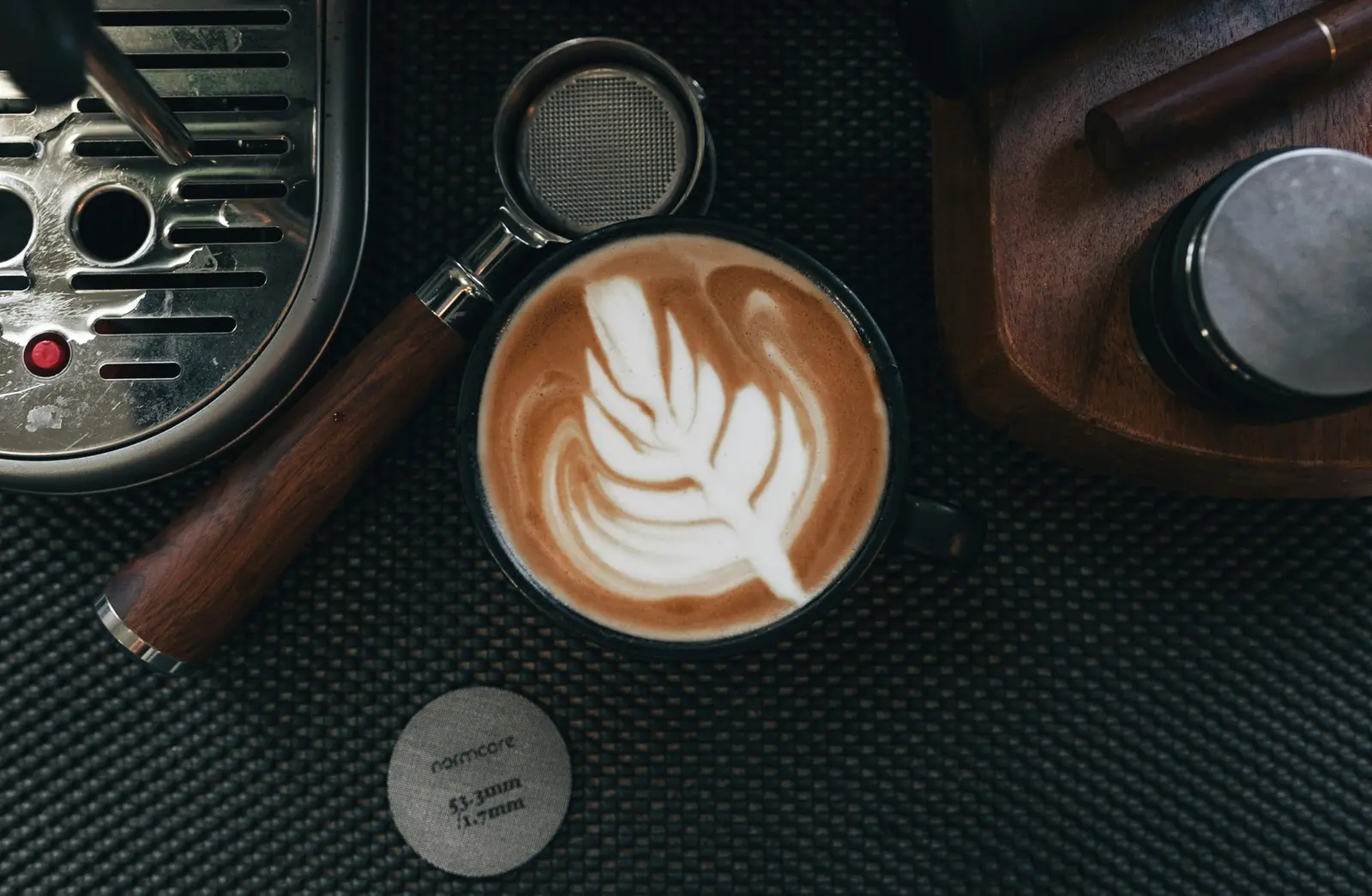
Coffee. A pot of batch brew is cheap, quick and good for guests who want a refill. List it near the top of the menu with a refill price.
Allergens: none in black coffee. Add milk or cream as an option.
4. Cold brew and iced coffee
Coffee. Cold brew steeps for hours and keeps for days, so you can make it in batches and serve it in seconds. This suits a busy morning rush.
Offer it black, with milk or as a "cold brew tonic" with sparkling water. List sweeteners as options.
5. Affogato
Coffee. One scoop of vanilla ice cream with a shot of espresso poured over it. It sits between a drink and a dessert and needs no cooking.
Allergens: milk. Some ice creams contain eggs or nuts, so check your supplier label.
6. A rotating single-origin guest coffee
Coffee. Offer one guest coffee from a roaster for a few weeks, as filter or espresso. It gives regulars something new and gives your staff a story to tell.
Price it above the house coffee and name the origin on the menu. Update the entry when the bag changes.
7. Decaf and half-caf options
Coffee. Guests who avoid caffeine in the afternoon should not be forced to leave. Offer decaf for espresso drinks and list it on the menu, not only on request.
Keep a smaller hopper for decaf and mark it clearly on the machine.
8. Matcha latte
Non-coffee drinks. Matcha is a strong coffee alternative. Serve it hot or iced, with a milk of your choice.
Matcha grades differ widely in cost, so cost each serving. Allergens: depend on the milk choice.
9. Chai latte
Non-coffee drinks. Chai from a concentrate is fast. Chai from whole spices has more flavor and a story. Either way, check the label of the concentrate for milk or honey.
Allergens: depend on the milk, and some concentrates contain other allergens. Always check.
10. Hot chocolate
Non-coffee drinks. Families, children and late-afternoon guests order hot chocolate. Offer a dairy version and a plant-based version.
Allergens: milk, and sometimes soy from the chocolate. A small marshmallow or cream topping is an easy upsell, and marshmallows may contain gelatin, so tell vegetarian guests.
11. A short loose-leaf tea list
Non-coffee drinks. Keep five teas: black, green, herbal, chamomile or mint, and a fruit blend. Brewing tea needs little skill and costs little per cup.
Print the tea names and one-line taste notes. Allergens: usually none, but flavored blends may include added ingredients.
12. A smoothie menu of four
Non-coffee drinks. A smoothie menu works with four options: a green smoothie, a berry smoothie, a tropical smoothie and a protein or peanut-butter smoothie. Share fruit across all four to limit waste.
Use frozen fruit for steady cost. List a base option: milk, oat, almond or juice.
Allergens to flag: nuts (peanut butter, almond milk), milk (yogurt), soy.
13. House lemonade or iced tea
Non-coffee drinks. Batch it in the morning and serve over ice. It is a low-cost drink for guests who skip coffee, and it is quick on warm days.
Allergens: none in a simple lemonade. Flavored syrups need a label check.
14. Butter croissant
Bakery. A good croissant sells all morning. Buy it baked, buy it frozen to bake off, or make it. Each route changes cost and labor, so compare them.
Allergens: wheat (gluten), milk, and often egg wash. Offer filled versions, such as almond or ham and cheese, as a second line.
15. Cinnamon or cardamom bun
Bakery. A soft bun is the sort of item guests photograph. It pairs with filter coffee and works as a take-away treat.
Allergens: wheat (gluten), milk, egg. Nut toppings add tree nuts.
16. A signature cookie
Bakery. One large, well-made cookie is easier to run than five types. Keep the dough in the freezer, bake to order and sell it warm.
Allergens: wheat (gluten), milk, egg, and nuts or soy in some mixes.
17. Banana bread
Bakery. It uses overripe fruit, keeps well and slices neatly. Toast a slice with butter for a premium version.
Allergens: wheat (gluten), egg, milk if butter is used, and tree nuts if walnuts are included.
18. Loaf cake of the week
Bakery. Lemon drizzle, carrot, chocolate orange or pistachio. A weekly rotating loaf gives regulars a reason to return and keeps the case fresh.
List the allergens on every loaf. They change with each recipe.
19. Scones with jam and cream
Bakery. A classic with loyal regulars. Scones are cheap to make and easy to batch. Sell them as a pair with a pot of tea.
Allergens: wheat (gluten), milk, egg.
20. A gluten-free bake
Bakery. Offer one gluten-free item, such as an almond flour cake or a flourless chocolate brownie. Say what it contains and whether it is made on shared equipment.
Do not call an item "gluten-free" unless your recipe, suppliers and kitchen process support it. Rules for gluten-free claims vary by country, so check your local rules. Almond flour contains tree nuts.
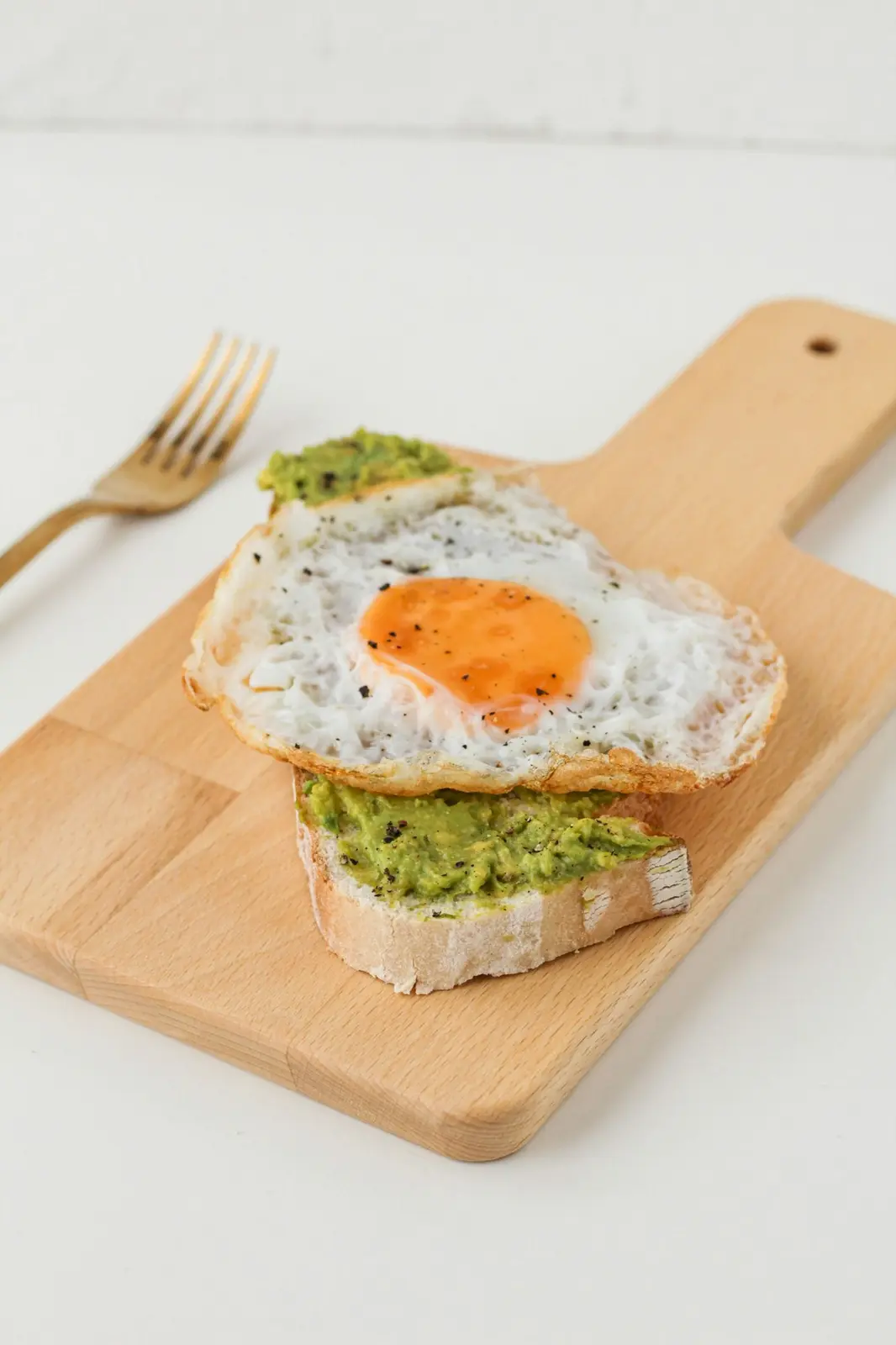
21. Avocado toast
Brunch. A brunch staple. Add a variation, such as chili flakes and lime, feta and seeds, or a poached egg.
Avocado prices move, so review cost every few weeks. Allergens: wheat (gluten) in the bread, egg, milk (feta), and sesame if seeds are used.
22. Eggs on toast
Brunch. Scrambled, poached or fried eggs on sourdough, with one or two sides. It is cheap, quick and easy to train.
Allergens: egg, wheat (gluten), and milk if butter is used. Offer a vegetarian side, such as roasted tomatoes or mushrooms.
23. Breakfast sandwich
Brunch. Egg, cheese and bacon, sausage or a vegetarian option in a brioche bun or English muffin. It is the best fit for a take-away breakfast.
Allergens: egg, wheat (gluten), milk, and sesame on some buns. In the Bellwether sample, a breakfast sandwich showed a lower margin than an in-house pastry, so cost it carefully.
24. Pancakes or French toast
Brunch. A weekend dish with high perceived value. The batter or custard is cheap, and toppings let you set the price.
Allergens: wheat (gluten), egg, milk. Toppings such as nuts or peanut butter add more.
25. Yogurt and granola bowl
Brunch. It needs no cooking and suits guests who want something light. Offer a plant-based yogurt alternative.
Allergens: milk, tree nuts and oats (gluten cereal) in most granolas, and soy in some plant-based yogurts.
26. Shakshuka
Brunch. Eggs baked in spiced tomato sauce, served with bread. The sauce can be made in a batch, then finished to order.
Allergens: egg, wheat (gluten) in the bread, and milk if feta is added.
27. A savory brunch plate
Brunch. A larger plate for a higher price: eggs, roasted potatoes, a vegetable, a protein and toast. It lets one plate hold several components you already prepare.
Allergens: depend on the components. Label each part.
28. A vegan brunch dish
Brunch. A tofu scramble or a chickpea pancake with vegetables. Many cafes have no vegan main, so one good dish attracts a loyal group.
Allergens: soy (tofu), sesame if tahini is used, wheat (gluten) in the bread. Do not call it vegan unless every ingredient, including the bread, is vegan.
29. Toasted sandwich
Grab-and-go. A cheese and ham toastie, or a cheese and tomato version. A sandwich press makes it fast. It sells at lunch and sells as a take-away.
Allergens: wheat (gluten), milk, and mustard or sesame, depending on the filling.
30. Soup of the day
Grab-and-go. Soup uses trim and leftover vegetables. Serve it with a slice of bread. Make a vegan soup as your default, so more guests can order it.
Allergens: celery is common in stock, plus milk or cream and wheat. Update the allergen tags when the soup changes.
31. Packaged grab-and-go items
Grab-and-go. Bottled drinks, bags of beans, granola bars and wrapped cookies. Packaged food has its own labeling rules, and these differ by country.
Keep the manufacturer's label on every packaged item, and check how your local rules treat food you pack yourself. For example, the FDA states that since January 1, 2023 sesame must be labeled as an allergen on packaged foods in the US.
32. An autumn spice drink
Seasonal. Pumpkin, apple, cinnamon or maple. Make the syrup in-house for better flavor and cost control.
Plan the start and end date in advance. Our guide to updating seasonal menu offerings without printing shows how to switch items on and off quickly.
33. A summer iced special
Seasonal. An iced coffee with coconut cream, a sparkling cold brew or a fruit iced tea. Pick one that uses ingredients you already hold.
Allergens: depend on the recipe. Coconut, nut milks and syrups need a label check.
34. A holiday bake
Seasonal. Gingerbread, a mince pie, hot cross buns or a festive loaf. A limited bake gives guests urgency and gives you photo-friendly content.
Allergens: wheat (gluten), egg, milk, and often nuts or sulphites (dried fruit). Check each recipe.
35. A limited-run special
Seasonal. A "this week only" drink or bake tests an idea at low risk. If it sells, keep it. If it does not, it goes away.
Track units sold and margin for each special. Keep a short log. This tells you what to try next.
Laying Out the Cafe Menu
Group the cafe menu in the order a guest decides: coffee, other drinks, bakery, brunch or food, extras. Use four or five clear sections.
- Put milk options in one place. A single "milk choices" line with allergen tags is clearer than repeating them on every drink.
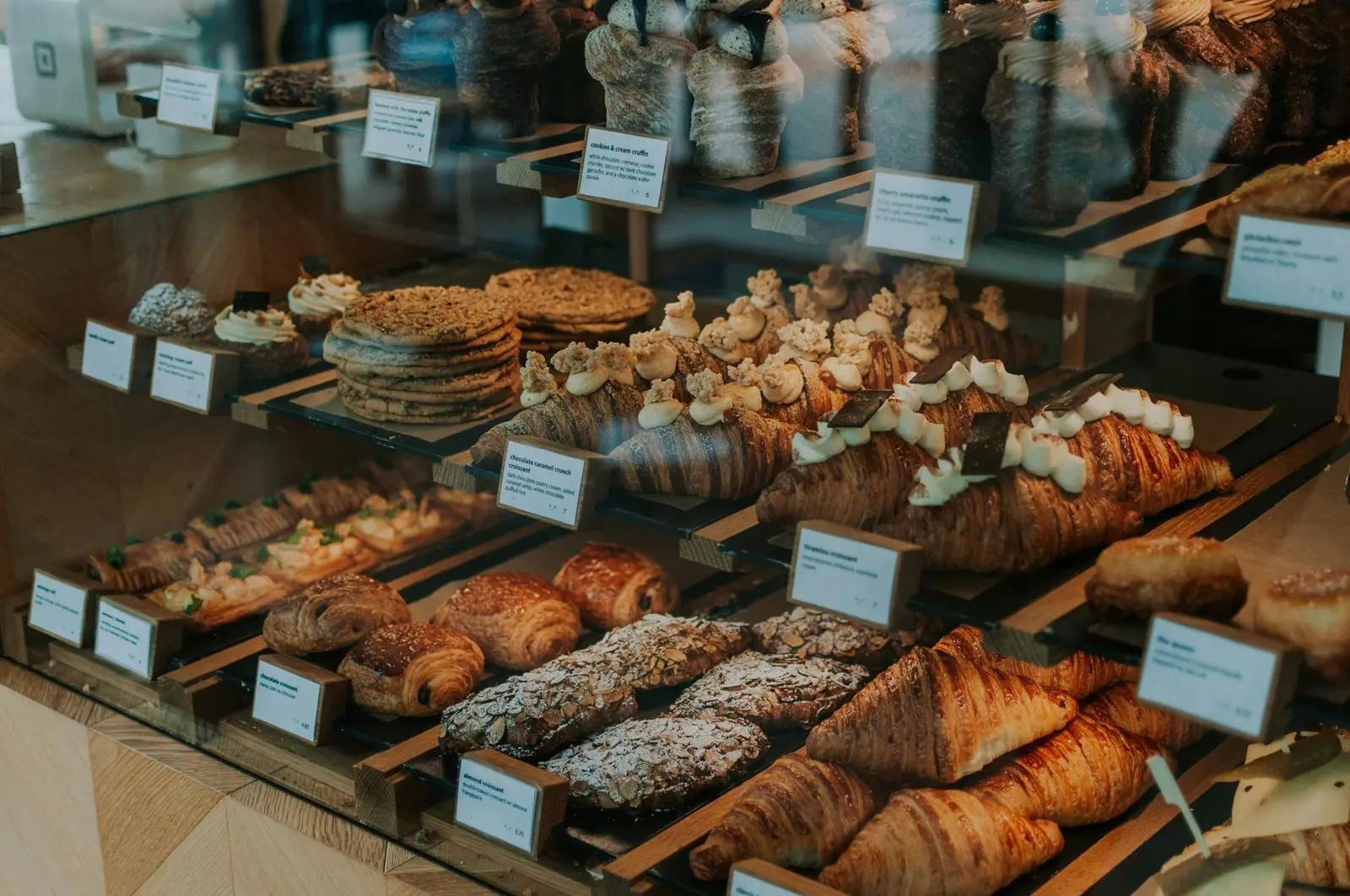
- Use photos for the bakery case. Pastries and cakes are easy to picture and photograph. Plain drinks rarely need a photo.
- Write specific names. A Stanford field study, as reported by FoodNavigator, found indulgent labels drew 25% more diners to vegetables than basic labels. The same idea applies to "brown butter banana bread" versus "banana bread."
- Drop currency signs. A 2009 study at a cafe at the Culinary Institute of America found diners spent about 8% more on menus without dollar signs. It covered one venue, so test it.
For more layout ideas, see our guide to restaurant menu design ideas.
Putting the Cafe Menu Online
Cafes change their menu often: a pastry sells out, a seasonal drink ends, a price moves. A QR menu makes each of those a quick edit with no reprint. Our review of the best QR code menu apps for cafes and coffee shops compares the options.
On Pro, QR Menu Generator lets you tag allergens on each item, so guests can filter the menu to what they can eat. AI menu translation is also on Pro. You can start on the free plan (1 restaurant, 10 categories, 30 products), which is enough for a small cafe menu, and upgrade when you need allergen tags or translation. Read the full guide to the 14 EU allergens if you serve EU guests.
Build your cafe menu in one afternoon
Add drinks, bakery and brunch and print one QR code for the counter and tables. Allergen tags and the diner allergen filter are on Pro. Free plan: 1 restaurant, 10 categories, 30 products. Used by 500+ restaurants. Create your menu free, try the live demo or see the pricing page.
Allergen notes in this guide are general. Your business enters the allergen data and stays responsible for it. This is not legal advice. Always check supplier labels.
Frequently Asked Questions
- What should be on a cafe menu?
- A cafe menu needs a core of espresso drinks, a few non-coffee drinks, a bakery case, a short food list for breakfast or lunch, and clear allergen labels. Start with about ten drinks and ten food items, then grow based on sales.
- Which cafe menu items have the highest margin?
- Drinks usually have higher margins than food. Bellwether Coffee's sample figures show espresso at 87%, a latte at 76% and an in-house pastry at 71%. These are one vendor's samples, so calculate your own with the formula in this guide.
- How do I label milk alternatives for allergens?
- List each milk as its own option. Dairy is milk, soy is soy, almond is a tree nut, and in EU law oats are a cereal containing gluten. Check the brand label, since ingredients differ between products.
- How many items should a coffee shop menu have?
- We found no research on an ideal number. A small menu is faster to run and easier to cost. Start with a tight list and add items that sell.
- What brunch items are easy for a small cafe?
- Choose dishes with shared prep: eggs on toast, avocado toast, a breakfast sandwich, a yogurt bowl and shakshuka. They use the same bread, eggs and vegetables across several plates.
- Can I change my cafe menu without reprinting?
- Yes, with a dynamic QR code. The code points to a fixed link, so you can edit items and prices online while the printed code on tables and cups stays the same.
About the author
Evrenus Fırat Polat
Restaurant technology expert and founder of QR Menu Generator. Passionate about helping restaurant owners harness digital tools to grow their business.