How AI-Powered QR Menus Increase Table Turnover and Guest Satisfaction in 2026
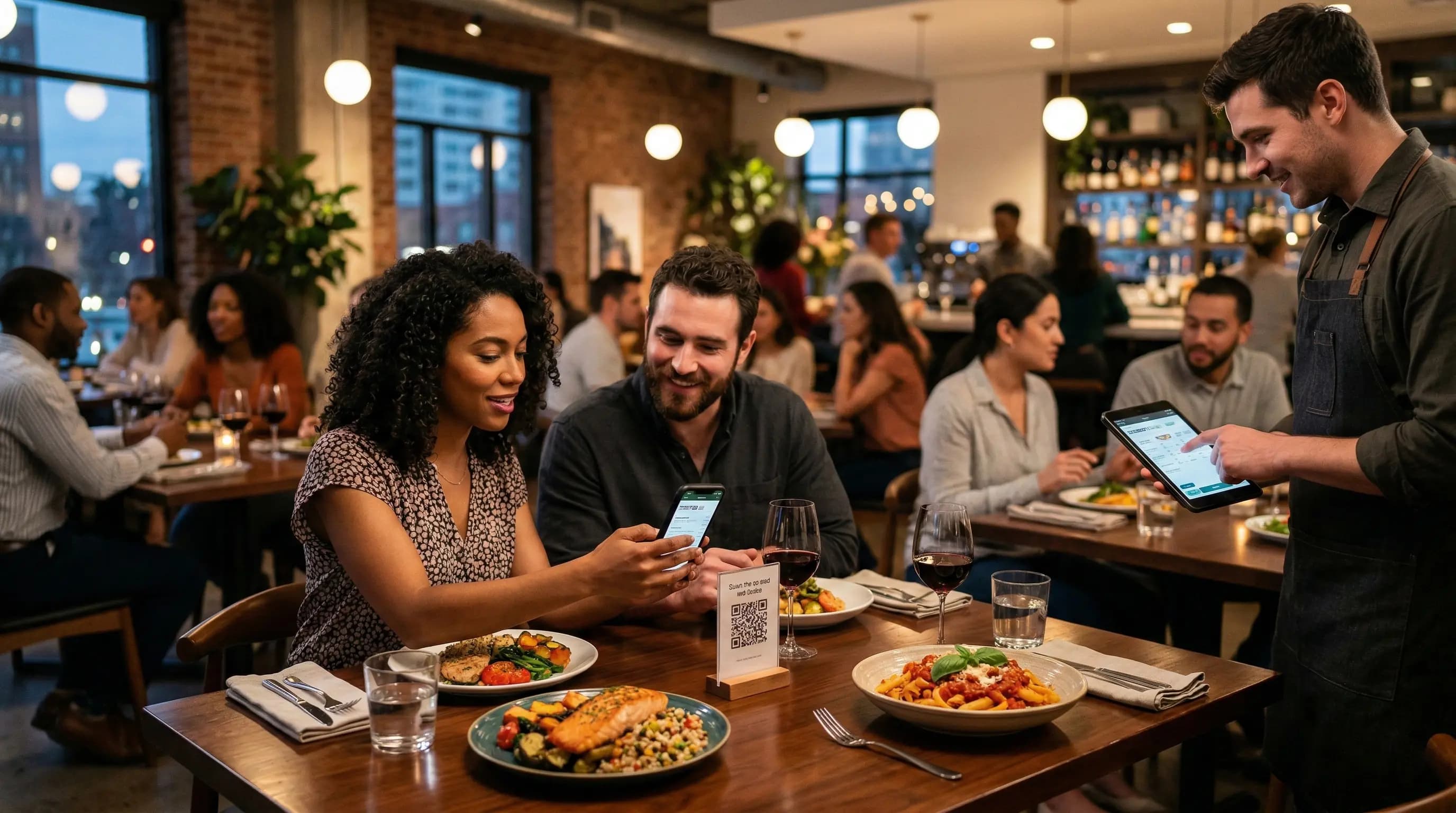
Restaurants in 2026 are under pressure to serve faster, personalize better, and keep margins healthy despite rising costs. An AI-powered QR menu solves multiple bottlenecks at once: menu discovery, ordering speed, upselling, language accessibility, and operational consistency. For modern operators, a digital menu is no longer a novelty; it is a core profit tool.
What Is an AI-Powered QR Menu?
An AI-powered QR menu is a mobile-first digital menu guests open by scanning a QR code. Unlike static PDFs, it can adapt in real time using sales data, inventory, and guest behavior. With the right setup, it can highlight high-margin items, hide out-of-stock dishes automatically, translate content, and support faster ordering decisions.
- Dynamic updates: change prices, photos, and item availability instantly.
- Smart recommendations: suggest sides, drinks, and combos based on context.
- Multi-language support: improve clarity for tourists and international guests.
- Actionable analytics: track item views, conversion rates, and peak ordering windows.
Why Table Turnover Improves
Table turnover depends on how quickly guests move from arrival to payment. QR menus reduce friction at each step.
1) Faster decision-making
Guests can browse immediately without waiting for printed menus. Clear photos, dietary filters, and best-seller badges reduce indecision.
2) Shorter ordering delays
Staff spend less time explaining menu basics and more time on high-value service. In busy periods, this can significantly reduce first-order wait times.
3) Better kitchen pacing
Digital ordering flows can stagger courses or prioritize prep-friendly items during rushes, helping kitchens avoid ticket spikes.
4) Smoother payment flow
When integrated with digital checkout, guests can pay quickly at the table, reducing end-of-meal bottlenecks.
How Guest Satisfaction Increases
Guest satisfaction rises when the experience feels easy, accurate, and personalized.
- Clarity: better descriptions, allergy labels, and ingredient transparency reduce ordering mistakes.
- Personalization: AI recommendations feel relevant when tied to time of day, weather, and popular pairings.
- Accessibility: adjustable text size and language options improve usability for diverse audiences.
- Consistency: every table sees the same up-to-date information, reducing confusion and complaints.
High-Impact Use Cases for Restaurants, Cafes, and Hotels
Restaurants
Use AI recommendations to increase average order value with intelligent pairings (e.g., main + side + drink bundles).
Cafes
Promote daypart-specific items (morning bakery, afternoon cold beverages) automatically based on local time.
Hotels
Offer multilingual room-service QR menus with automatic availability sync tied to kitchen stock.
SEO + GEO Benefits of Publishing Your Menu Digitally
When your menu pages are indexable and structured, they can drive discovery from both traditional search engines and AI answer engines.
- SEO: optimized item pages can rank for high-intent local queries like “vegan brunch in [city]”.
- GEO (Generative Engine Optimization): clear entities, concise item data, and FAQ sections improve citation chances in AI-generated answers.
- Local relevance: location-aware content and consistent NAP details strengthen visibility for nearby guests.
For best results, keep menu metadata fresh, include descriptive alt text for food images, and publish concise FAQs that answer real customer questions.
Implementation Checklist (Practical and Fast)
- Create a clean category structure (starters, mains, desserts, beverages).
- Add high-quality photos and plain-language item descriptions.
- Tag allergens, dietary options, spice level, and prep time.
- Enable smart upsells with margin-aware recommendations.
- Set auto-rules for out-of-stock items and time-based availability.
- Track key metrics: scan-to-order rate, average order value, reorder frequency, and table duration.
- Review analytics weekly and run A/B tests on item names, photos, and placements.
Common Mistakes to Avoid
- Using a static PDF instead of an interactive, trackable menu.
- Overloading guests with too many choices without filters.
- Ignoring image quality and mobile readability.
- Failing to train staff on how digital flows change service timing.
- Not measuring outcomes after launch.
Conclusion
AI-powered QR menus are now a strategic advantage, not just a contactless feature. They help restaurants serve faster, sell smarter, and satisfy guests more consistently. If your goal is better table turnover and stronger guest loyalty in 2026, start with a data-driven QR menu foundation and optimize it continuously.
Frequently Asked Questions
- How does a QR menu help increase table turnover?
- A QR menu reduces waiting time for menu access and ordering, shortens decision-making with clear visuals and filters, and can speed up payment with digital checkout options.
- Can AI recommendations in QR menus increase revenue?
- Yes. AI can suggest relevant add-ons, combos, and premium options, which often raises average order value while keeping suggestions useful for guests.
- Are QR menus good for tourist-heavy locations?
- Absolutely. Multi-language support and clear item details help international guests order with confidence, reducing misunderstandings and improving satisfaction.
- What should I track after launching a digital QR menu?
- Track scan-to-order conversion, average order value, item-level conversion, table duration, and repeat customer rate to understand performance and optimize weekly.
About the author
Evrenus Fırat Polat
Restaurant technology expert and founder of QR Menu Generator. Passionate about helping restaurant owners harness digital tools to grow their business.