5 Ways a Contactless Menu Increases Your Restaurant's Revenue: The Modern Blueprint for Profitability
In the fiercely competitive world of hospitality, restaurant owners are constantly searching for levers to pull that will improve the bottom line. For years, the focus was largely on ambiance, food quality, and service. While these remain critical pillars of success, the digital transformation of the dining room has introduced a powerful new tool: the contactless QR code menu.
Initially adopted rapidly out of necessity during global health concerns, the contactless menu has evolved far beyond a mere hygiene measure. Savvy restaurateurs have realized that these digital interfaces are not just replacements for paper; they are sophisticated sales engines. When implemented correctly, a digital menu doesn't just display your dishes—it actively sells them.
If you are still viewing QR menus simply as a low-touch alternative, you are leaving money on the table. This comprehensive guide will explore the mechanics of modern menu engineering, detailing exactly how transitioning to a digital platform like QR Menu Generator can significantly boost your profitability.
Table of Contents
- The Shift from Static to Dynamic Dining
- Way 1: Mastering the Art of Visual Upselling and Cross-Selling
- Way 2: Accelerating Table Turnover and Efficiency
- Way 3: Utilizing Dynamic Pricing and Instant Agility
- Way 4: Slashing Operational Overhead and Printing Costs
- Way 5: Leveraging Data Analytics for Smarter Menu Engineering
- Bonus: Enhancing the Customer Experience for Repeat Business
- How to Implement a Revenue-Generating Contactless Menu
- Conclusion: The Digital Imperative
The Shift from Static to Dynamic Dining
The traditional paper menu is static. Once printed, it is set in stone until the next reprint cycle, which is often expensive and time-consuming. It cannot react to inventory changes, it cannot highlight a sudden surplus of ingredients that the chef needs to move, and it certainly cannot track which items customers are considering but ultimately not ordering.
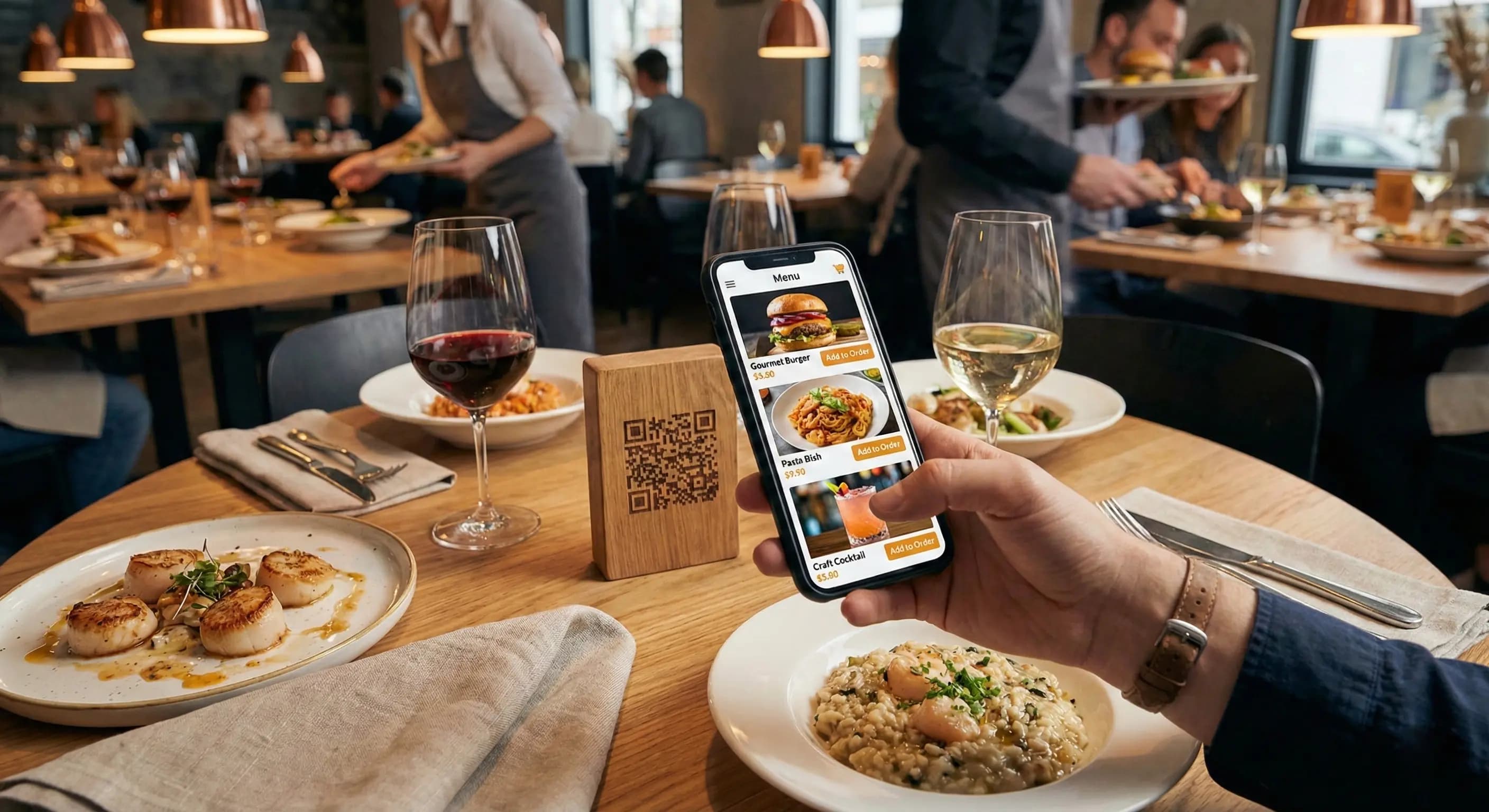
A contactless menu, accessed via a QR code scan on a guest's smartphone, is dynamic. It is a living document that can be adjusted in seconds from any device with an internet connection. This shift from static paper to dynamic digital is the foundation upon which new revenue streams are built. It turns menu management from a chore into a strategic advantage.
Let’s dive deep into the five primary ways this technology directly impacts your revenue.
Way 1: Mastering the Art of Visual Upselling and Cross-Selling
The adage "people eat with their eyes first" has never been more relevant than in the age of Instagram and high-resolution smartphone screens. Traditional menus are limited by space and printing costs, often forcing restaurants to rely on text descriptions or a handful of expensive professional photos.
The Power of High-Quality Imagery
With a digital menu created through a platform like QR Menu Generator, you are not constrained by printing costs. You can, and should, include high-quality, mouth-watering photographs for every single item on your menu. A well-lit, appetizing photo of a signature appetizer is far more likely to trigger an impulse purchase than a text description alone.
Studies in menu engineering consistently show that highlighting items with photos increases their sales volume significantly. By digitizing your menu, you ensure that your highest-margin items look their absolute best to every customer.
Strategic Cross-Selling and Modifiers
Beyond just pretty pictures, digital menus excel at suggestive selling at the exact moment of decision. When a customer selects a burger on a paper menu, the server has to remember to ask if they want to add bacon, upgrade the fries, or pair it with a craft beer. In a busy rush, these steps are often skipped.
A contactless menu automates this process perfectly. When a customer clicks on that burger, the digital interface can immediately present pop-up options for profitable add-ons:
- Modifiers: "Add avocado for $2?" or "Make it a double patty for $4?"
- Pairings: "This dish pairs perfectly with our house Cabernet."
- Sides: "Would you like to upgrade to truffle fries?"
These micro-upsells, which might feel pushy coming from a server, feel natural and helpful on a digital interface. They consistently increase the average ticket size without requiring extra effort from your staff.
Way 2: Accelerating Table Turnover and Efficiency
Revenue in a sit-down restaurant is a function of average ticket size multiplied by the number of customers served. We've covered increasing ticket size; now let's look at increasing the volume of customers through faster table turnover.
Removing the "Menu Wait" Bottleneck
Think about the traditional dining flow: guests are seated, they wait for menus, they browse, they put menus down, they wait to flag down a server, the server takes the order and walks to the POS terminal. This process is rife with friction and wasted time.
With a contactless menu, the QR code is already on the table (on a tent card, coaster, or sticker) when the guests arrive. They can scan and immediately begin browsing the menu before a server even greets them. By the time the server arrives for the first touchpoint, guests are often ready to order drinks and appetizers immediately.
Streamlining Service Workflow
While some digital menus allow for direct ordering and payment from the phone (further speeding up the process), even a view-only digital menu significantly speeds up the ordering phase. Staff spend less time waiting at tables while customers indecisively flip through pages. This efficiency means tables turn over faster, allowing you to seat more parties during peak hours without customers feeling rushed. An extra seating or two per table during a Friday night rush translates to substantial revenue gains over a year.
Way 3: Utilizing Dynamic Pricing and Instant Agility
The rigidity of paper menus often forces restaurants into pricing structures that don't reflect real-time market conditions. Ingredient costs fluctuate, and supply chain issues can make certain dishes suddenly unprofitable.
Instant Price Adjustments
If the price of beef spikes unexpectedly, updating a paper menu to reflect this is a logistical nightmare. With a contactless menu, you can adjust the price of your steak dish in seconds from your management dashboard. This ensures you maintain your desired profit margins regardless of vendor price fluctuations.
Managing "86'd" Items
Nothing disappoints a customer more than deciding on a dish, only to be told five minutes later that the kitchen is out of it. This negative experience can hurt future return visits. With a digital menu, the moment an item runs out, it can be hidden from the menu instantly. This manages customer expectations and guides them toward items you actually have in stock.
Promoting Daily Specials and Surplus Inventory
Did your fish supplier give you a great deal on fresh halibut today? A digital menu allows you to instantly create a "Chef's Special" category and place it at the very top of the menu, complete with a photo, to drive sales of that specific high-margin item. You can agilely react to your kitchen's needs, pushing inventory that needs to move before it spoils, thereby reducing food waste and increasing revenue.
Way 4: Slashing Operational Overhead and Printing Costs
While this point focuses on cost savings rather than direct revenue generation, a penny saved is a penny of profit earned. The recurring costs associated with physical menus are often underestimated.
Eliminating Design and Printing Costs
High-quality menu printing is expensive. Every time you change your seasonal offerings, adjust prices, or replace menus damaged by spills and wear-and-tear, you incur costs for design, printing, lamination, and binding. For a busy restaurant, this can amount to thousands of dollars annually.
A contactless menu system eliminates these costs entirely after the initial setup of your QR code signage. Changing the entire menu for the summer season costs $0 and takes only the time it takes to upload new descriptions and photos.
Reducing Staff Workload
As mentioned in the section on table turnover, digital menus reduce the time servers spend on low-value tasks like handing out menus, explaining basic dishes, or reciting the specials. This frees up your staff to focus on high-value tasks like enhancing the guest experience, managing drinks, and ensuring overall satisfaction. In some fast-casual environments, this efficiency can even allow you to run the floor with fewer staff members during slower shifts, directly reducing labor costs.
Way 5: Leveraging Data Analytics for Smarter Menu Engineering
Perhaps the most profound advantage of a digital menu over its analog counterpart is the ability to gather data. A paper menu cannot tell you anything about how customers interact with it. A digital menu tells you everything.
Understanding Customer Behavior
Using the analytics provided by platforms like QR Menu Generator (especially in our Pro and Pro Plus tiers), you can gain incredible insights into customer behavior:
- Popularity vs. Profitability: You can see which items are viewed the most versus which ones are actually ordered. If a dish has high views but low orders, perhaps the photo is great but the description is lacking, or the price point is a barrier.
- Category Performance: Are customers ignoring your dessert section entirely? Maybe you need to move it higher up or use better imagery to tempt them.
- Peak Times: Understand exactly when your menu is being scanned the most to better prepare staffing and kitchen prep.
Data-Driven Decisions
Instead of relying on gut feelings about what is working, you can make data-driven decisions to optimize your menu layout. You can identify your "stars" (high profit, high popularity) and ensure they are prominently featured, and identify "dogs" (low profit, low popularity) that should be removed to streamline the kitchen.
Bonus: Enhancing the Customer Experience for Repeat Business
While not a direct line-item revenue driver today, customer experience is the greatest predictor of future revenue. The modern diner, particularly younger generations, appreciates the convenience, hygiene, and modern feel of a seamless digital experience.
A clean, well-organized, mobile-optimized digital menu reflects positively on your brand. It signals that your restaurant is modern and cares about efficiency. A positive, frictionless experience increases the likelihood of positive online reviews and, crucially, repeat visits. Lifetime customer value is the ultimate revenue metric.
How to Implement a Revenue-Generating Contactless Menu
Transitioning to a contactless menu that actively drives revenue is easier than you might think. The key is choosing the right platform that offers the features necessary for visual upselling and analytics.
Step 1: Choose the Right Generator
You need a platform that is reliable, fast, mobile-optimized, and easy to update. QR Menu Generator was built specifically for the needs of hospitality businesses. Our platform allows for:
- Unlimited item creation (in Pro tiers).
- High-resolution image uploads for every item.
- Easy categorization and reordering to highlight specials.
- Instant real-time updates.
Step 2: Gather Your Assets
Before you build your digital menu, invest time (or a small budget) in taking high-quality photos of your dishes. Remember, these photos are your new best salespeople. Write compelling, concise descriptions that focus on ingredients and flavors.
Step 3: Build and Optimize
Use the QR Menu Generator dashboard to build your menu. Structure your categories logically. Place high-margin appetizers and signature drinks at the top of their respective sections. Ensure every modifier (extra cheese, bacon, etc.) is clearly listed with its price.
Step 4: Deploy Your QR Codes
Once your digital menu is live, generate your QR code. Print it on high-quality, durable materials suited for restaurant tables. Ensure the call to action is clear, such as "Scan to see our menu and specials!"
Conclusion: The Digital Imperative
The hospitality industry is moving past the era where technology was an optional add-on; it is now a fundamental component of operational success and profitability. A contactless menu is no longer just a PDF hosted online—it is an interactive sales tool that works for you during every open hour.
By adopting a robust digital menu strategy, you unlock the potential for higher average tickets through visual upselling, you serve more customers through faster turnover, you gain agility with dynamic pricing, and you make smarter business decisions using real data.
Don't let your menu be a passive list of ingredients. Make it an active revenue generator. You can start realizing these benefits today without any upfront cost. Create your free account at QR Menu Generator and build your first digital menu in minutes. Experience the difference that modern menu engineering can make for your restaurant's bottom line.
Frequently Asked Questions
- How does a contactless menu actually increase the average bill size?
- A contactless menu increases average bill size primarily through visual upselling and strategic modifiers. Unlike text-heavy paper menus, digital menus allow for high-quality photos of every item, tempting customers to order higher-margin dishes. Furthermore, digital platforms can automatically prompt customers with pop-up suggestions for sides, drink pairings, or paid upgrades (like extra toppings) at the moment of selection, which consistently drives up the ticket value.
- Does switching to a QR menu really save enough money to matter?
- Yes, the savings are significant. Traditional restaurants spend thousands annually on designing, printing, laminating, and replacing physical menus due to wear and tear, seasonal changes, or price adjustments. A contactless menu eliminates these recurring printing costs entirely. Additionally, it improves staff efficiency, potentially reducing labor costs during slower shifts.
- Can I update prices instantly with QR Menu Generator if ingredient costs change?
- Absolutely. One of the core benefits of QR Menu Generator is real-time agility. You can log into your dashboard from any device and update prices, hide items that are out of stock, or add new daily specials instantly. These changes are immediately reflected on the menu the next time a customer scans the QR code, protecting your margins from sudden market fluctuations.
About the author
Evrenus Fırat Polat
Restaurant technology expert and founder of QR Menu Generator. Passionate about helping restaurant owners harness digital tools to grow their business.