Restaurant Technology Trends 2026: 10 Shifts to Act On Now
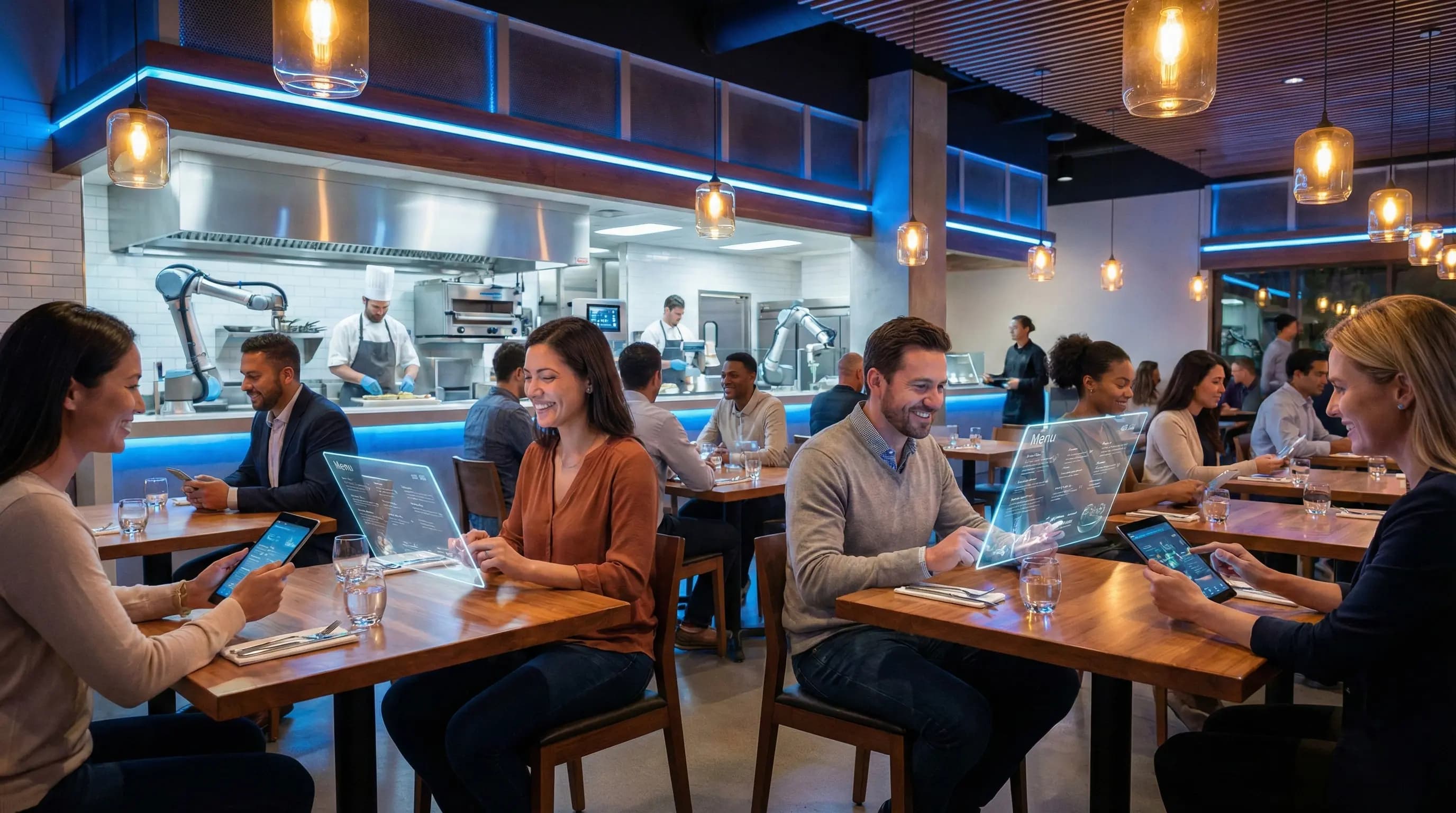
The hospitality industry is at a pivotal juncture. The rapid acceleration of digital adoption over the past few years was just the warmup. As we look toward 2026, the landscape is shifting from mere adaptation to necessary innovation. Restaurant owners who view technology as a temporary fix rather than a foundational element of their business model risk falling behind.
In this guide, we will explore the top restaurant technology trends for 2026 and why digitization is no longer optional for venues aiming to thrive in a hyper-competitive market. It is time to move beyond basic survival and embrace the tools that define the future of dining.
Table of Contents
Why Digitization is No Longer Optional
The phrase "digitization is no longer optional" is not alarmist; it is a reflection of changing consumer behavior and economic realities. By 2026, the digital-native generations (Gen Z and Alpha) will constitute a massive portion of the spending demographic. Their baseline expectation is a seamless, digitally integrated experience—from discovering a restaurant online to ordering, paying, and leaving a review.
Furthermore, ongoing labor shortages and rising operational costs mean that efficiency is paramount. Manual processes—like updating physical menus, taking phone orders, or reconciling inventory by hand—are expensive drains on resources. Digitization is the only viable path to scaling operations while maintaining profitability and service quality.
Top Restaurant Technology Trends for 2026
Looking ahead, several key technologies will define successful restaurant operations. These trends move beyond simple online ordering into deeper integration and intelligence.
1. Hyper-Personalization Driven by AI
By 2026, generic dining experiences will feel outdated. Artificial Intelligence (AI) will leverage data from past orders, reservations, and even loyalty programs to tailor the guest experience in real-time. Imagine a digital menu that automatically highlights dishes based on a customer's known dietary preferences or past favorites as soon as they scan the QR code.
2. The Evolution of Contactless Ordering (Beyond the Basic QR)
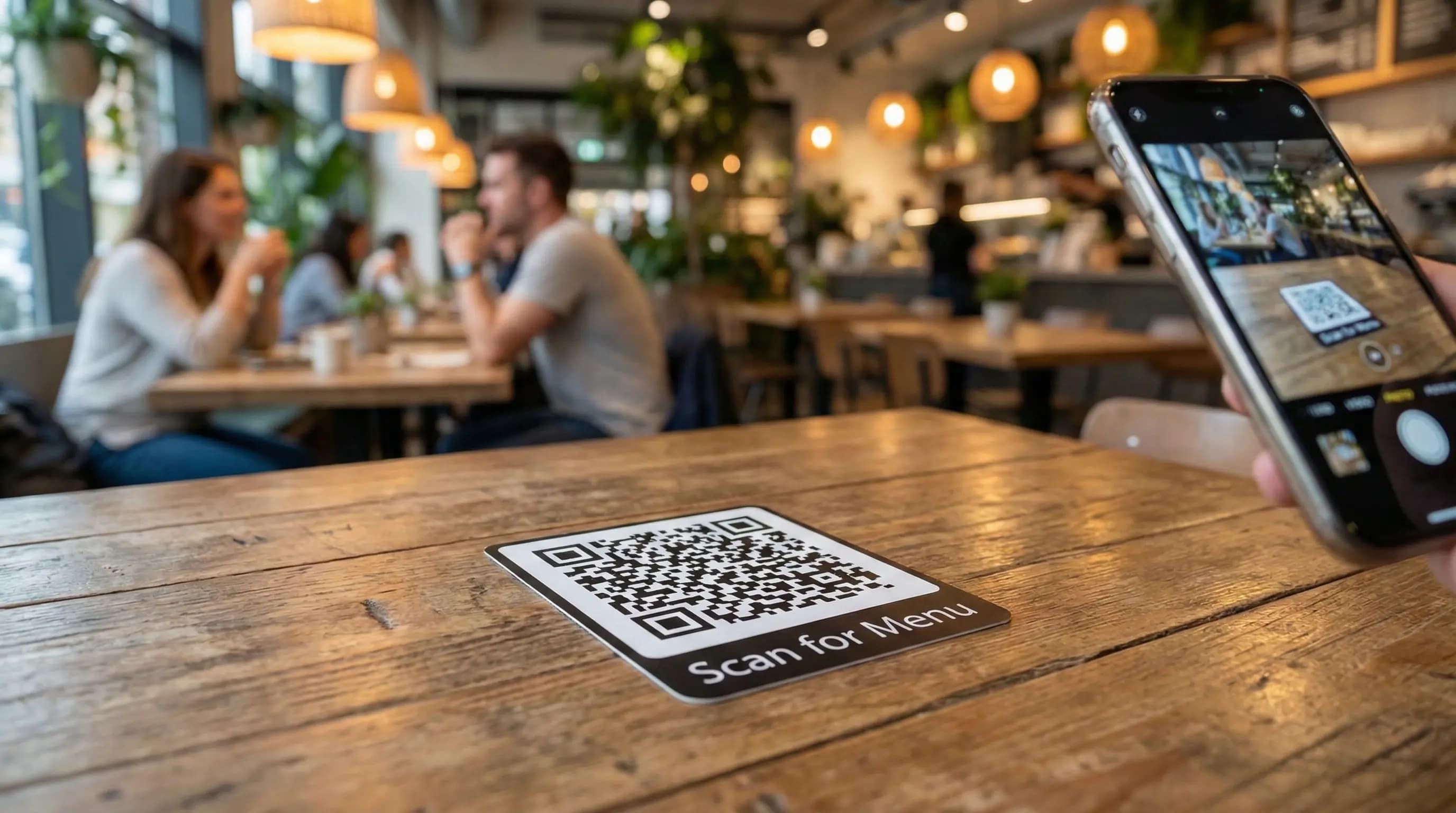
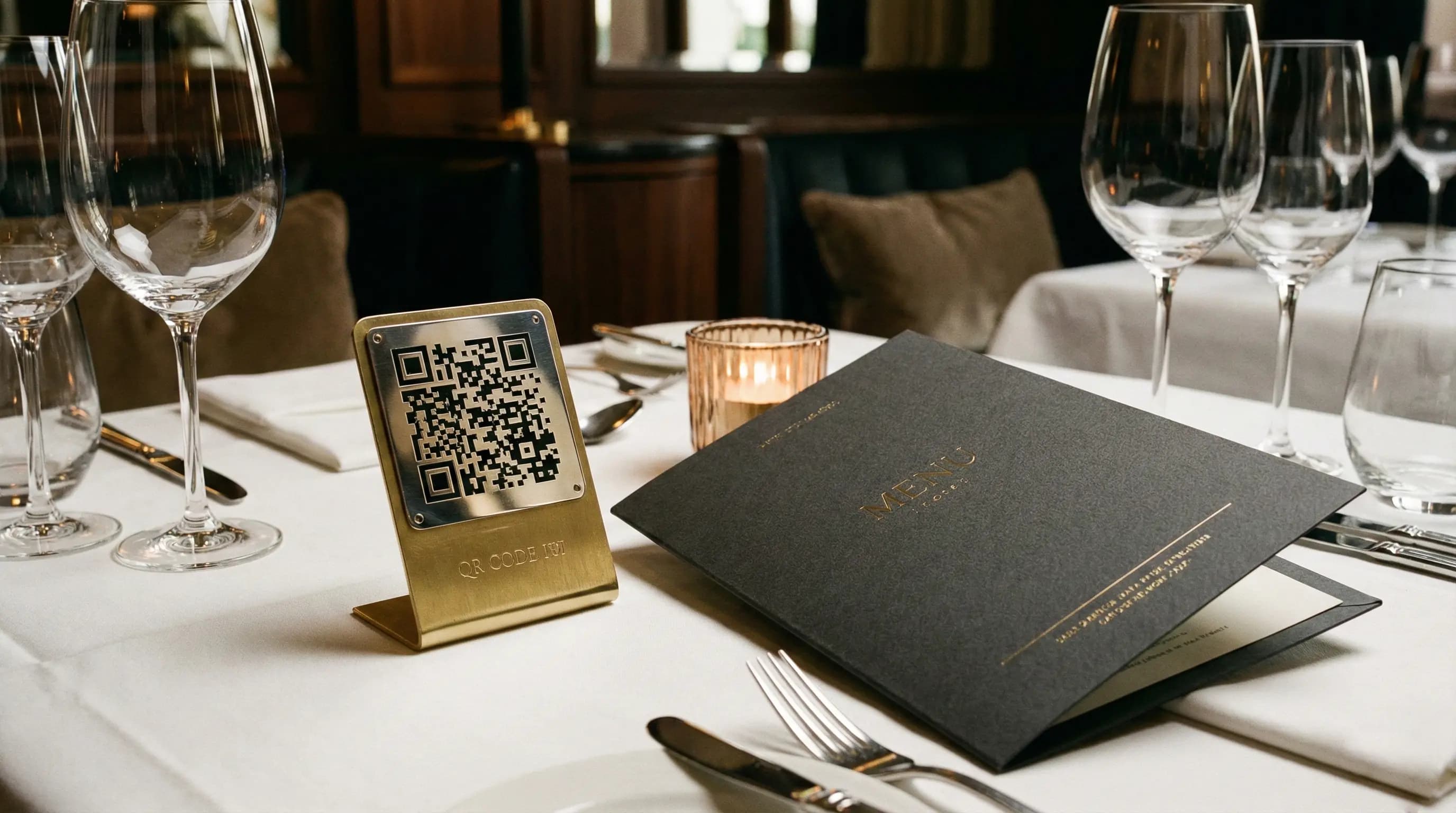
While QR codes became ubiquitous out of necessity, by 2026, they will be refined tools for engagement. They are no longer just static PDFs. Modern platforms like QR Menu Generator are transforming these codes into dynamic gateways. This means interactive menus with high-quality images, instant updates, multi-language support, and direct ordering capabilities that integrate with Kitchen Display Systems (KDS).
The trend is toward a "hybrid model" where digital ordering complements human service, allowing servers to focus on hospitality rather than just transactional order-taking.
3. Fully Integrated Tech Ecosystems
The days of siloed systems that don't communicate are ending. The trend for 2026 is seamless integration. Your digital menu must talk to your POS, which must talk to your inventory management software, which in turn informs your supply chain orders. This holistic view reduces food waste, optimizes staffing, and provides actionable insights into profitability.
Key Benefits of Early Adoption
Investing in these technologies now, rather than waiting until 2026, offers immediate returns. The ROI on digitization is becoming increasingly clear.
- Increased Average Order Value (AOV): Digital menus, specifically those created with a robust QR Menu Generator, excel at upselling seamlessly using appealing visuals and suggested pairings.
- Operational Efficiency: Automating ordering and payments frees up staff to handle more tables or focus on guest satisfaction, crucial during peak hours.
- Data-Driven Decisions: Access to real-time analytics on popular items and peak ordering times allows you to refine your menu and pricing strategies effectively.
- Cost Savings: Consider the cumulative cost of printing disposable menus every time an ingredient changes or prices fluctuate. Digital solutions eliminate these recurring costs entirely. Our flexible pricing tiers demonstrate how affordable this switch can be, starting with a robust free option.
How to Start Your Digital Journey Without Overwhelm
Embracing the top restaurant technology trends for 2026 doesn't mean overhauling your entire operation overnight. The most sustainable approach is iterative.
The easiest and most impactful entry point is digitizing your menu. It is the customer-facing foundation of your digital strategy. Using a specialized tool allows you to move away from clunky PDF viewers and offer a truly mobile-optimized experience.
- Audit Your Current State: Identify your biggest pain points. Is it slow table turnover? High printing costs? Order errors?
- Start with the Menu: Implement a dynamic QR code menu. This immediately modernizes the guest experience and solves printing issues.
- Gather Feedback: See how customers and staff interact with the new technology.
- Expand Gradually: Once the digital menu is established, look into integrating analytics or connecting it to other BOH systems.
Conclusion: Don't Wait for 2026
Understanding the top restaurant technology trends for 2026 and why digitization is no longer optional is the first step toward future-proofing your venue. The gap between technology-forward restaurants and traditional ones is widening. By taking small, strategic steps today, you ensure your restaurant is not just surviving but thriving in the dining landscape of tomorrow.
Ready to Future-Proof Your Restaurant?
Start your digitization journey with the easiest, most effective step. Create a stunning, dynamic digital menu today with QR Menu Generator. You can get started completely risk-free with our generous free tier.
Frequently Asked Questions
- What are the top restaurant technology trends for 2026?
- The top trends for 2026 focus on hyper-personalization using AI, the evolution of dynamic QR code ordering systems, and fully integrated ecosystems where front-of-house menus connect seamlessly with back-of-house inventory and labor management.
- Why is restaurant digitization considered 'no longer optional' by 2026?
- Digitization is essential due to changing consumer expectations (Gen Z and Alpha demand digital interfaces), ongoing labor shortages requiring greater efficiency, and the need for data-driven insights to manage rising operational costs.
- How does QR Menu Generator help with restaurant digitization trends?
- QR Menu Generator provides the foundational step for digitization: transforming static menus into dynamic, mobile-optimized digital experiences. It allows for instant updates, rich visuals for upselling, and analytics, moving beyond basic PDFs to meet future guest expectations.
About the author
Evrenus Fırat Polat
Restaurant technology expert and founder of QR Menu Generator. Passionate about helping restaurant owners harness digital tools to grow their business.